
For three decades, Australia’s wealth industry has had one job: grow the number in the portfolio. Now the baby boomers who built a lot of that wealth are facing a very different question: how do I spend it without running out?
It’s not a small problem. The number of Australians retiring each year is on track to roughly double, from around 150,000 to 300,000, over the next decade, bringing close to $1.5 trillion in superannuation with them. Treasury projects the number of Australians over Age Pension age will almost double again, to around 9 million by 2066.
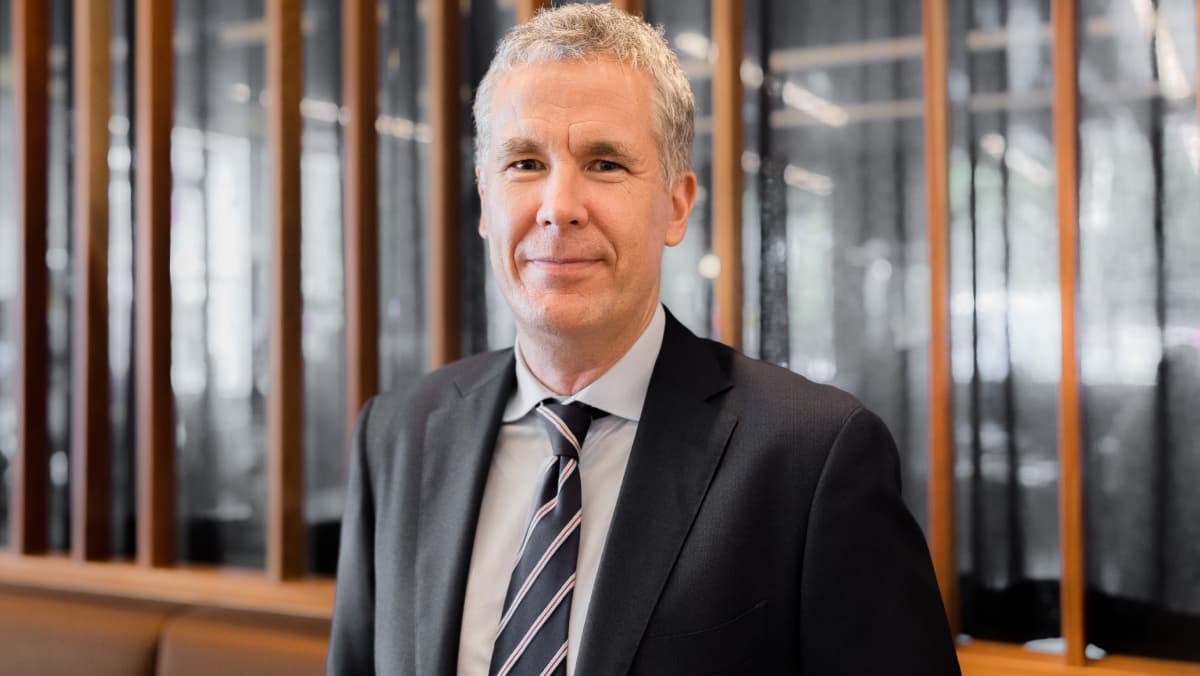
InvestmentMarkets CEO Darren Connolly says the shift from saving to spending is one of the biggest changes the industry has had to reckon with. “We’ve spent a generation encouraging Australians to accumulate wealth,” he says. “Very little of that conversation prepared people for the day the pay cheque stops, and the portfolio has to generate the income they need.”
The strategies for each phase aren’t interchangeable, he argues. “Building wealth and drawing it down require different strategies and have different issues to consider. During the accumulation phase, a bad year is a buying opportunity. In retirement, a bad year early on can permanently impact what you have to live on for the next 20.”
Policy is catching up
Government is moving in the same direction. In February, the government released its Best Practice Principles for retirement income solutions and a new Retirement Reporting Framework, aimed at giving the retirement phase the same level of policy and product attention accumulation has had for years. The reporting framework, designed to make retirement outcomes from super funds more transparent, comes into effect from 2027.
Connolly says the reforms are welcome, but many retirees, particularly those managing their own investments or running SMSFs, aren’t waiting around for providers to catch up. “Self-directed retirees are taking this into their own hands,” he says. “They’re looking for three things: reliable income, protection against market falls, and a provider they can trust. That’s a different shopping list to a 40-year-old chasing growth.”
InvestmentMarkets’ own data shows a steady rise in investor research into income-focused investment options. The company reports interest in income asset classes has grown significantly from the start of 2025 through to the end of September 2026 [note: the specific figure supplied, “15X%”, is unclear in the source material and needs confirming with InvestmentMarkets before publication].
“Older investors aren’t asking: what will give me the highest return? They’re asking: what will pay me every month, and what happens if markets fall?” Connolly says. “That’s sequencing risk, and it’s the single biggest threat most retirees have never heard of.”
The other side of the wealth transfer
Connolly frames the drawdown problem as the overlooked half of Australia’s “Great Wealth Transfer.” “Most of the commentary on the wealth transfer has been about the kids who’ll inherit the assets,” he says. “But before the dollars are passed down, the generation that built all that wealth still needs to fund 20 or 30 years of hopefully living their best lives, and potentially helping family along the way.”
His message to retirees is straightforward. “Your strategy has to change. Compare your options, understand the risks, particularly sequencing risk, and get advice where you need it. The product shelf for retirees has never been broader, but the questions you need to ask are very different to before.”