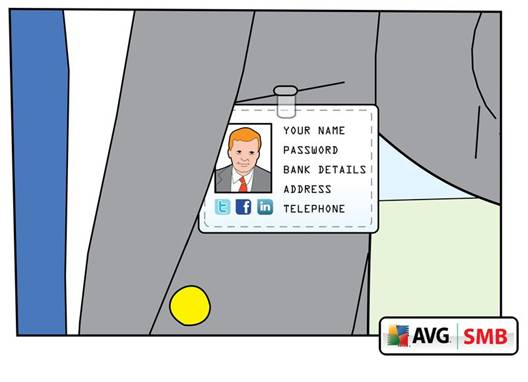
You thought you could only get Malware on your PC? Hackers are now targeting smartphones in the latest wave of attacks.
For those that stare at a computer at work all day, use their smartphones to keep in touch on the way home and then break out their personal laptops for an evening of entertainment, the days of virus scares and internet paranoia seem long gone. But for the more criminally inclined, the increasingly relaxed approach many take to their worlds of interconnected technology has just opened up a raft of opportunities.
Now that many of us are carrying miniature laptops in our handbags and suit pockets, hackers are developing new ways to spread malware – from home to phone to office and beyond. Just like the humble USB drive, smartphones can spread software bent on gathering your personal information when plugged into a network. Suspect downloads, unsolicited text messages and unfamiliar web links could all leave users vulnerable to malware, which can log keystrokes and gain valuable password and identification information. An unwatched Bluetooth capacity can also be used to thieve information.
Lloyd Borrett, Marketing Manager at AVG warns against visiting websites you are unfamiliar with on your mobile device. “Once you visit the site, you may be lured into providing personal information and downloading a malicious file.”
Mobile malware may be subtler than the more familiar kinds of computer viruses that attack the technology base. Most will be used to log browsing habits of users and then deliver targeted advertising. Abusers are counting on the reality that most won’t notice this kind of privacy violation – Facebook and other social networking sites have been doing it for years.
But even if users don’t notice any violation on their device AVG’s Chief research officer Roger Thompson warns users that it is likely.
“the more nefariously-inclined will build up databases of background information about us, to be used to profile us for future criminal activity”.
Anyone suspecting there is malware on their phone should check for a sudden increase in their phone bills, an inbox full of unfamiliar messages or a change in their user interface. Malware can be removed by your mobile phone manufacturer.