
A new CSIRO report GenCost 2020-21 has found that solar and wind are the cheapest source of energy in Australia based on integration costs of renewables in electricity generation.
“Previous GenCost reports added arbitrary amounts of storage costs, but this year we used a model of the electricity system that optimises the amount of storage needed, and also includes additional transmission expenditure,”said CSIRO Chief Energy Economist Paul Graham.
“Even taking into account these extra system integration costs, solar photovoltaics (PV) and wind continue to be the cheapest new sources of electricity for any expected share of renewables in the grid — anywhere from 50 per cent to 100 per cent.
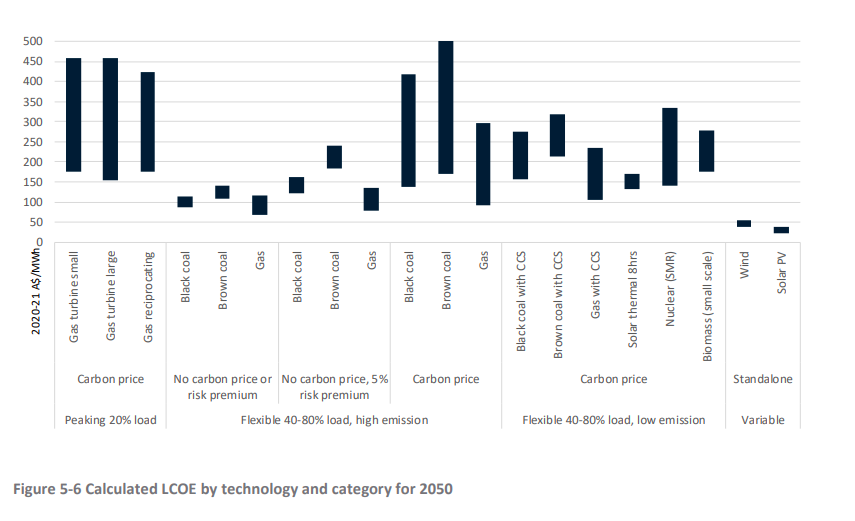
“This is projected to continue to be the case throughout the projection period to 2050.”
The report is a collaboration between CSIRO and the Australian Energy Market Operator (AEMO), where industry stakeholders provide estimates of electricity generation and storage costs for new power plants in Australia.
The analysis found that:
- Solar PV and batteries will experience the fastest cost reduction of any energy technology
- Battery cost reductions have been achieved through deployment in industries other than electricity, such as consumer electronics and electric vehicles
- Hydrogen electrolysers are projected to experience substantial cost reductions, making them competitive with natural gas-based hydrogen production
- Wind capital costs are falling more slowly than solar but will continue to make gains by capturing more energy from the same wind resources
- Cost reductions, such as carbon capture and storage, nuclear small modular reactors, solar thermal and ocean energy, are not being widely deployed and require stronger global investment
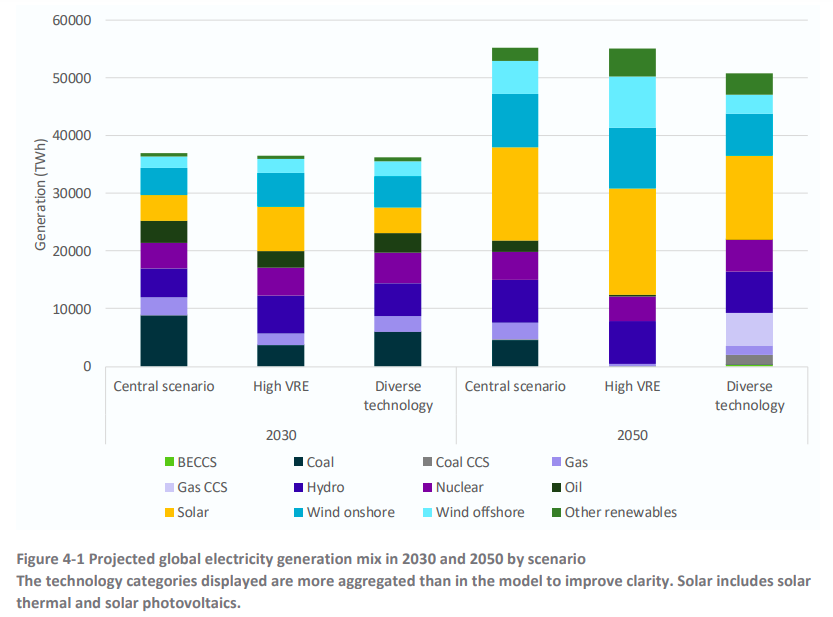
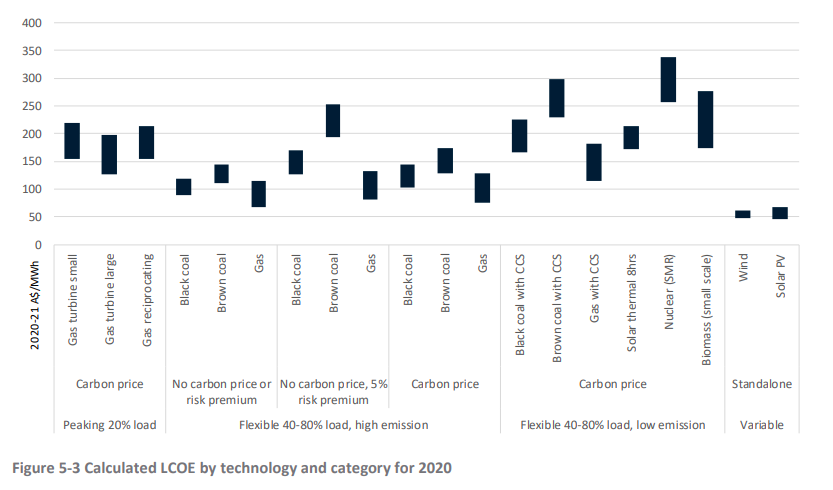
The report uses the levelised cost of energy (LCOE) to conclude that renewables are the cheapest source of energy.
LCOE is a metric that is used to compare the cost of electricity generation technologies, determining their relative competitiveness.
The final GenCost report is due in March 2021 and so industry and stakeholders will be able to review the data for consultation.
“Electricity generation costs are a key ingredient into the electricity sector modelling which underpins much of the sector’s strategic planning and policy analysis, including our Integrated System Plan,” said AEMO Group Manager Nicola Falcon.
“Given the importance of this cost data, we are providing an opportunity for industry and other stakeholders to review the data as part of our Draft Inputs, Assumptions and Scenarios Report published today (available from 10am AEST) for consultation.”
Keep up to date with our stories on LinkedIn, Twitter, Facebook and Instagram.