
My career began because someone gave me an opportunity. As CEO, one of my greatest responsibilities and privileges is to ensure that others are given that same opportunity.
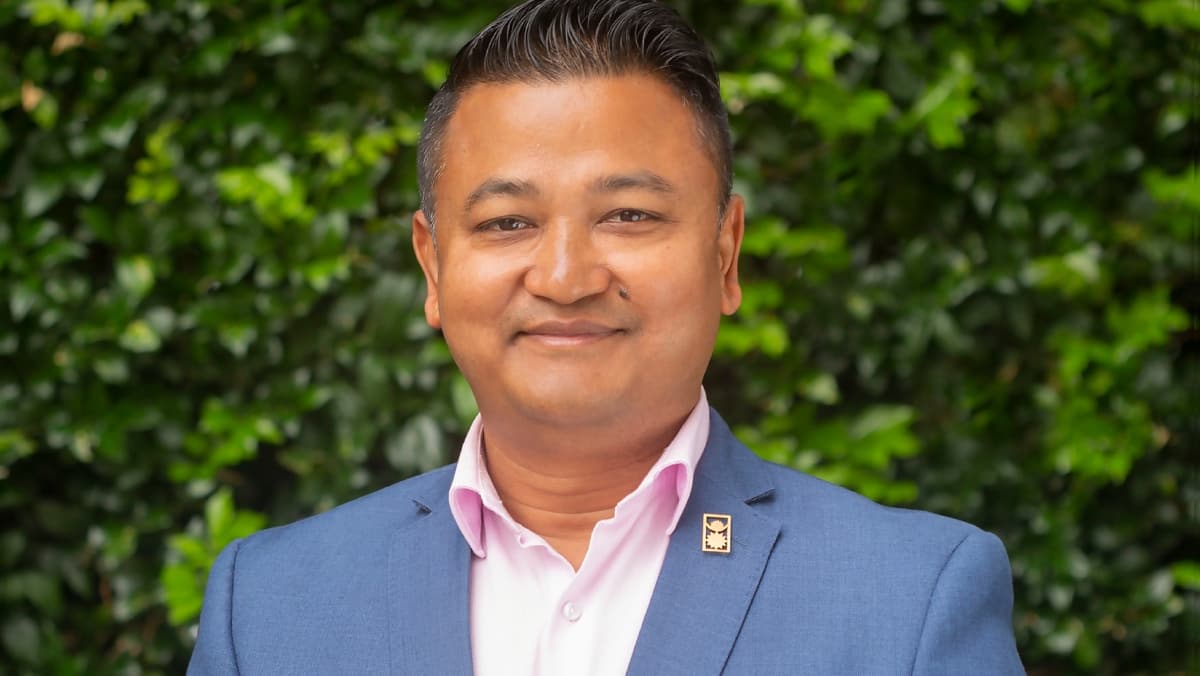
Prabin Shrestha's journey to success began three decades ago when he arrived in Australia from Nepal as a student. Fast forward to today, and he's at the helm as Group CEO of SKG, a thriving national business that provides cleaning, security, and property maintenance services - with a valuation of around $250 million and a team of over 3,500 people.
“More than 30 years ago, I arrived in Australia from Nepal as a student, with hopes of building a better future. I never imagined that a part-time cleaning job would lead me to becoming Group CEO,” Shrestha says.
While studying accounting and finance, he took on cleaning work to support himself, often juggling lectures, assignments and night shifts in the same day. “Balancing my degree in accounting and finance, while also working as a part-time cleaner was physically demanding, often involving long hours and night shifts, but it gave an invaluable understanding of people and operations.”
Over the next three decades, Shrestha moved through supervisory and management roles at SKG, becoming Group Chief Operating Officer in 2021 and Group CEO in 2026. He points to SKG’s late founder, Steve Manoussakis, as someone who shaped that path early on.
“One person who played an important role in my journey was late Mr. Steve Manoussakis, founder of SKG, who taught me the value of a positive work ethic and to challenge every opportunity. He reinforced my belief that talent exists at every level and is why I strongly believe in giving people the opportunity to grow, regardless of where they start.”
Building a business beyond the clean
Shrestha has watched SKG grow from a family-founded cleaning business into a national operation spanning cleaning, security and property maintenance.
“One of the most important decisions has been to continually expand our capabilities and move beyond being just a cleaning company,” he says. As Group COO, he worked on bringing SKG’s services together so clients could use them individually or as an integrated offering.
Acquisitions were part of that growth. “Acquisitions are not just about increasing revenue or market share, they’re about bringing together businesses that complement our capabilities, share our values and create long-term opportunities.” That thinking shaped SKG’s acquisition of EZKO, where the focus was making sure employees and clients felt secure through the transition.
He describes client trust as something built over time rather than assumed. “In our industry, trust is earned through consistent performance, accountability and most importantly, how you respond when something goes wrong. We need to listen to our clients and continually improve the way we deliver our services.”
On growth more broadly, he says it has to be weighed against other priorities. “Sustainable growth comes from balancing commercial opportunities with operational excellence. We should always look for opportunities to grow, but never at the expense of our people, our clients or the values that have made SKG successful.”
Staying close to the work at scale
Asked what sets SKG apart in the industry, Shrestha points to how the business runs day to day. “What distinguishes SKG is our combination of national capability, diverse service expertise and the personal accountability of a family-founded business. Despite our size, we maintain a hands-on approach, with senior leaders actively involved in client relationships and ready to step in when issues arise.”
SKG’s SKGenius platform brings cleaning, security and maintenance into a single client view, covering attendance, completed tasks, inspections, incidents and performance in real time. Shrestha ties the value of any technology investment to whether it solves a real problem. “Innovation should always solve a real problem. Technology is only worthwhile when it improves service quality, supports our workforce or creates measurable value for clients.”
One example is SKG’s shift to chemical-free cleaning using stabilised aqueous ozone. “It reduced our chemical use by around 70%, creating a safer working environment for our cleaners and clients, as well as helping us reach our sustainability objectives.”
Shrestha doesn’t gloss over how difficult the early years were. “Early in my career, there were days when I would attend lectures, work on assignments and then head to night shifts to support myself, while also establishing myself in a new country. It required a belief that the hard work would eventually create better opportunities.”
Moving from colleague to manager was one of the bigger shifts in his career. “I learned that earning respect is not about having a title, it comes from leading by example, understanding their challenges, being fair and following through. Having started on the frontline, I believe it’s important to understand the work our people do before making decisions that affect them.”
COVID-19 tested SKG as an essential services provider. “SKG had a responsibility to keep critical environments operating while protecting our employees and supporting our clients. We had to adapt quickly, maintain communication with our people and clients, and make difficult decisions while balancing the wellbeing of our workforce with the continuity of the business.”
Shrestha says the most useful feedback he gets rarely comes from meetings. “Some of the most valuable insights I’ve gained have come from conversations with employees on-site rather than discussions in a boardroom. The people doing the work every day often have the best understanding of how to improve.”
Advice for anyone starting where he started
His advice to anyone progressing their career starts with what not to chase. “My advice to anyone looking to progress their career is not to become overly focused on job titles or promotions. Instead, concentrate on building knowledge, developing relationships and becoming someone people can trust and depend on.”
For those on the frontline specifically hoping to move into supervision or management, his advice is direct. “Take pride in what they do, understand every aspect of their role, learn from experienced people and never be afraid to volunteer for additional responsibility.” He says he still applies the same habit himself. “I still believe in walking the sites, talking to employees and understanding their challenges. It’s a habit I developed early in my career and one I’ve never lost, even as CEO.”
He defines leadership without reference to hierarchy. “Leadership is not about having the biggest title or being the most important person in the room. It’s about helping others succeed and making people feel respected, supported and empowered.”
His definition of success has shifted over three decades. “When I started cleaning buildings more than 30 years ago, success meant achieving financial stability and building a future in Australia. Today, my definition of success is much broader. It’s about building a business that will continue growing and succeed for another 50 years, creating opportunities for others to achieve more than they might have imagined possible, like I did.”
“My career began because someone gave me an opportunity. As CEO, one of my greatest responsibilities and privileges is to ensure that others are given that same opportunity.”