




Social media reach is borrowed. Here is what Australian small businesses should be building instead
There is a version of small business marketing that looks productive and probably feels productive but is quietly building on someone else’s foundation.
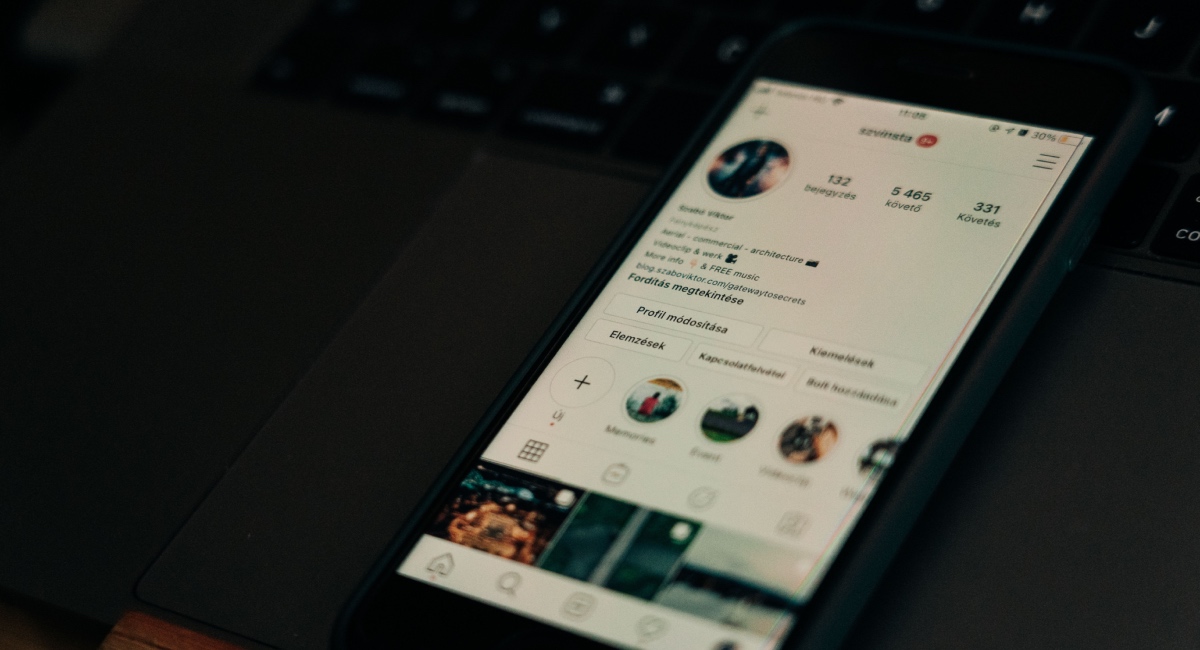
Every follower gained on Instagram, every engagement on Facebook, every view on TikTok exists inside a platform owned by someone else, governed by an algorithm you cannot control, subject to policy changes you will not be consulted on. The reach you have built can be reduced overnight. The account you have spent years growing can be restricted or removed. The audience you think you have direct access to is actually mediated by a platform that has its own commercial interests in how and when your content reaches them.
Most small business owners know this, at least intellectually. Constant Contact’s Q2 2026 Small Business Now report found that 88.6% of Australian and New Zealand small businesses say their business would survive if social media disappeared tomorrow. Nearly nine in ten owners believe they could keep going without it.
And yet nearly half of those same businesses rely on unpaid social media as their primary marketing channel. The gap between what owners believe and what they are actually building is significant, and it points to one of the most common and costly marketing mistakes small businesses make: confusing activity with asset.
What owned marketing actually means
The distinction that matters is between rented attention and owned relationships.
Rented attention is what you get from social media. You post, the algorithm decides who sees it, some of them engage, and if you are lucky some of them follow you. That following exists on the platform. If the platform changes its algorithm, your reach changes. If the platform restricts your account, your audience disappears. If the platform becomes less relevant to your customers over time, the years you spent building there become less valuable.
Owned marketing is different. An email list is yours. The people on it gave you their contact details directly. You can reach them without an algorithm deciding whether your message is worth showing. You can take that list with you if you change platforms, move your business or want to reach those people in a different way. A customer database, a loyalty program, a direct SMS list, a physical address list, these are all owned assets. They exist independently of any platform.
The practical difference is significant. Email marketing consistently outperforms social media on conversion across almost every category, because the people on your list have actively opted in to hearing from you. They are not being shown your content because an algorithm decided it was relevant. They chose to receive it.
The same principle applies to your website and the content you publish there. A blog post on your own domain builds your search presence independently of any platform. It keeps working long after you publish it. It belongs to you. A social post’s average lifespan is measured in hours.
The practical shift worth making now
None of this means abandoning social media. It remains a genuinely useful tool for discovery, particularly for reaching people who do not yet know your business exists. The Constant Contact research found that social platforms are where most small businesses are found first. That function is real and valuable.
The shift worth making is one of intent. Using social media to build owned relationships rather than to accumulate platform followers changes what success looks like and where you invest your effort.
Every piece of social content can include a reason to move the relationship off the platform: a lead magnet, a discount code for email subscribers, a link to something useful on your website, an invitation to join a loyalty program. The goal is not more followers. It is converting the attention social media generates into relationships you actually own.
Building an email list does not need to be complicated. A simple sign-up offer, early access to new products, a useful piece of information relevant to your customers, a discount for first-time subscribers, is enough to start. The discipline is treating that list as a genuine asset: communicating with it regularly, giving subscribers a reason to stay opted in, and measuring how many of those contacts actually buy from you.
The businesses that will be most resilient to platform changes, algorithm updates and the inevitable shifts in where people spend their time online are the ones that have been quietly building marketing assets they own alongside their social presence. Not instead of it. Alongside it.
Social media is a powerful front door. But a front door is only as valuable as the house behind it.
Keep up to date with our stories on LinkedIn, Twitter, Facebook and Instagram.
