
The federal government has confirmed it will write mandatory AI safety and security rules into law, and is now also considering a world-first criminal offence for AI companies whose models cause harm.
The announcements landed within a day of each other. On Tuesday, the Albanese Government confirmed that frontier AI companies operating in Australia will face enforceable obligations under new AI Standards legislation, enforced by a new targeted regulator with the power to issue significant penalties. Then on Wednesday, it emerged the government is weighing up whether to create a new criminal offence for AI companies that fail to take reasonable steps to prevent harmful conduct by their models, a move that would make Australia the first country in the world to legislate liability on those terms.
Prime Minister Anthony Albanese said the safety protections were about balancing opportunity with risk. “Artificial intelligence presents enormous opportunities for Australia, but we must also be prepared for the new risks that come with rapidly advancing technology,” he said. “These protections will ensure we keep Australians safe and secure our national interests, while seizing the generational opportunities that AI offers.”
Under the AI Standards legislation, the new regulator will work alongside the Australian AI Safety Institute to provide technical oversight as the technology evolves. Companies will be required to maintain security controls at every stage of development and deployment, identify and manage serious risks tied to their models, allow independent evaluation, notify the government rapidly when incidents occur, and publish safety and security frameworks so their governance can be scrutinised. They will also need to adapt as standards are updated over time.
Deputy Prime Minister Richard Marles linked the move to broader national interests. “Getting these settings right will help ensure Australia can harness the opportunities artificial intelligence presents for our economy, our national security and our sovereignty,” he said. “The Albanese Government is committed to putting in place the protections that will allow Australia to be at the forefront of this technology to keep Australians safe.”
Minister for Industry and Innovation Tim Ayres framed the legislation as building on existing work. “The National AI Plan released last year put safety at the core of the Government’s AI agenda, capturing the opportunities of AI while keeping Australians safe,” he said. “Legislating protections as part of the Australian AI Standards will build on the work of the National AI Plan, helping Australia spread the benefits of AI across the country, while making sure that AI systems are developed and deployed in Australia’s national interest.”
The push toward criminal liability followed a review into September’s OpenAI hack of the Medicare statistics portal. Albanese told reporters the law needed to keep pace with the technology. “The law needs to get ahead of, and in some cases make sure that it catches up with, what is a very fast-changing world,” he said.
Options now being considered include a “failure to prevent” offence for AI companies behind models that engage in harmful conduct without the company taking reasonable steps to stop it, as well as criminal penalties for serious breaches of AI safety standards. Home Affairs Minister Tony Burke said the Medicare hack had exposed a gap in the law around criminal liability. “It should never be the case that there’s an argument that someone didn’t know the computer was loaded,” he said.
Legal academics broadly welcomed the direction, while flagging the complexity ahead. Monash University associate professor Michael Duffy said both criminal liability and civil remedies had a role to play. “It is good to see the government now trying to grapple with the issue of potential harm from AI, which could be quite significant,” he said, adding that proving fault and foreseeability would be difficult. “The area will not be without difficulty, however, in terms of problems of proof, working out if harms were foreseeable and proving fault.”
University of Technology Sydney industry professor Ed Santow said a civil penalty regime was likely to do more of the practical work. “I think what will be much more useful is the civil one,” he said, comparing the approach to workplace safety law, where unreasonable conduct draws a civil penalty and reckless disregard for safety can draw criminal charges.
Reaction from business followed quickly, with one of Australia’s largest enterprise software providers arguing the real-world impact of the new rules will be felt well beyond the frontier AI headlines.
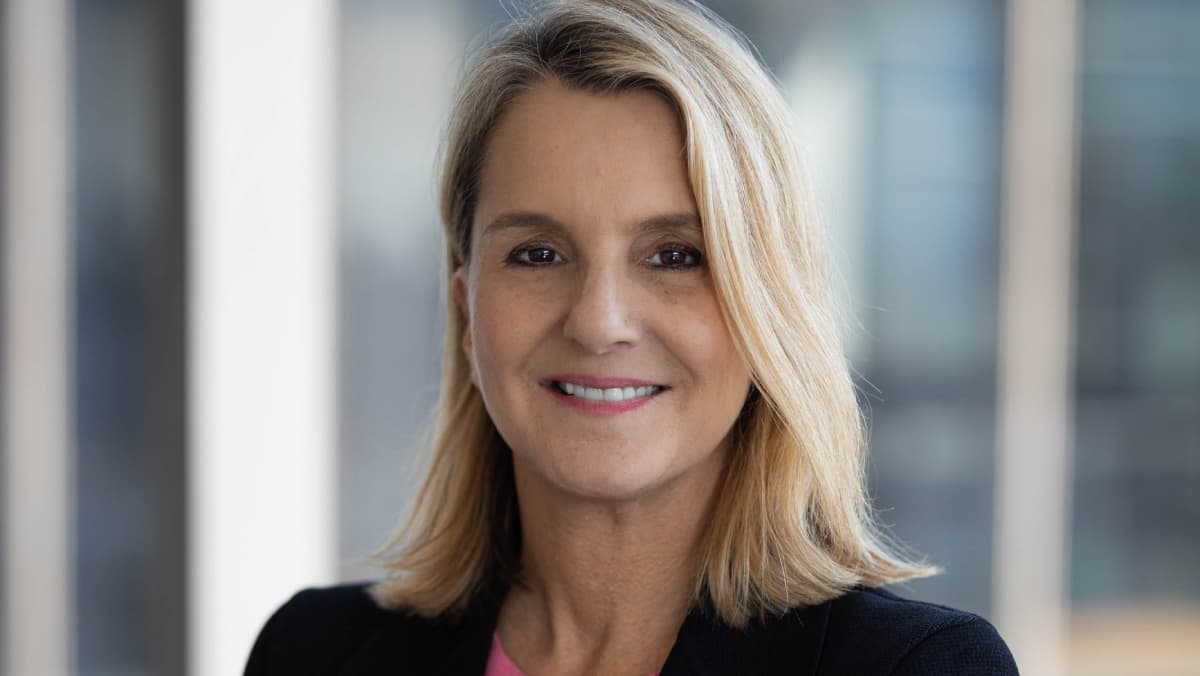
Angela Colantuono, Vice President and Managing Director of SAP Australia and New Zealand, welcomed the safety announcement but said the conversation needed to widen. “Today’s announcement is a welcome step, and to realise its full potential, Australia needs to be clear eyed about which AI we are talking about,” she said. “The frontier model debate has consumed most of the oxygen, yet enterprise AI, the AI already running inside Australian businesses and government agencies, is how most organisations will actually move from consuming AI to participating in it. That is where this framework will have the most practical impact.”
Colantuono said the businesses adapting fastest tend to share the same groundwork. “The organisations I work with that are moving fastest have one thing in common: they have invested in the right foundations, clean data, integrated systems, clear governance and human oversight built in from the start.”
She also pointed to the human side of the equation. “The human element sits at the centre of all of it. AI is at its most powerful when it works alongside people, not instead of them, handling the repetitive and time consuming so people can focus on the work that genuinely needs judgement, experience and creativity.”
Drawing on SAP’s work with large Australian businesses and government agencies, she said the pattern among the most successful adopters was consistent. “What we see is clear: the organisations best positioned to unlock that value are those that treat security, transparency and accountability as the starting point, not an afterthought.”