Dynamic Business Logo

Your energy bill is quietly eating your profit margin. Here’s what to do about it 

Nectr Managing Director Hayden Barry discusses why your energy bill may be quietly eating your profit margin and what practical steps to take right now.

As we head towards the end of the financial year, most Australian small business owners are facing several weeks of reconciling accounts, chasing slow payers – and then trying to figure out where the money actually went. For a growing number of SMEs, a significant chunk of the answer is sitting right there on the power bill.

In recent years, energy costs have become one of the most unpredictable line items in business budgets. Yet for many business owners, managing energy still means little more than crossing fingers that the next bill isn’t too bad. Not a great long-term approach!

The good news is that there are practical, meaningful steps you can take right now that will set you up well for the years ahead. 

Start with an energy audit – it’s simpler than it sounds

The phrase “energy audit” can make it sound like you need to bring in a consultant in a high-viz. You don’t. For most small businesses, a useful audit starts with two questions: what are you using, and when are you using it?

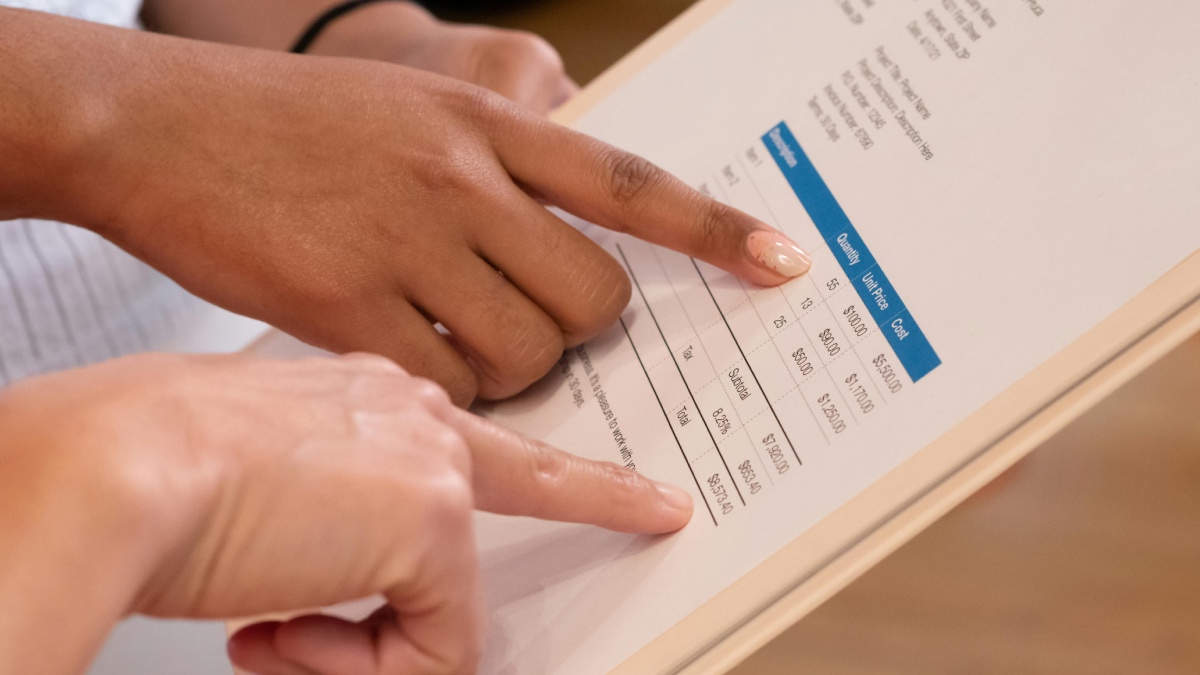
Find your last three to four power bills and look beyond the total. Most bills break down usage by time of day – peak, shoulder and off-peak periods. That data alone can be revealing. If you’re running energy-hungry equipment during peak hours when rates are highest, that’s a straightforward place to start saving.

If you’re a bricks and mortar business, walk through your premises with fresh eyes. Are lights and equipment left running overnight or on weekends? Is old refrigeration or air conditioning working twice as hard as it needs to because it’s overdue for servicing or replacement? Are there appliances on standby that could simply be switched off?

Once you’ve identified where energy is going, you can start making changes. Adjust operating hours, use timer switches, develop a staff checklist at close of day. If you can keen to invest for the long-term, take it up a notch and consider upgrading to LED lighting or replacing an ageing compressor. Many energy retailers and state government bodies also offer free or subsidised energy assessments for small businesses so check out if your business may be eligible.

Climate reporting is coming for SMEs – start building good habits now

If you’ve been following business news lately, you’ll have heard a lot about mandatory climate reporting. Right now, the requirements are aimed at large corporations, but medium-sized entities with 250+ employees will be in the spotlight from 1 July 2026. SMEs that supply to larger businesses are already starting to feel the pressure.

Large companies subject to mandatory disclosure will need to account for their supply chain emissions – what’s known as Scope 3 – which means they’ll be asking their suppliers, including small businesses, for data. If you’re not tracking your energy use and carbon footprint today, you may find yourself scrambling to catch up.

It’s important to note that businesses that can demonstrate credible sustainability practices are increasingly attractive to customers, employees and investors.

Solar and batteries: the numbers are finally making sense

For years, solar was primarily a residential play. But the economics for small businesses have shifted considerably, and for many SMEs, solar now stacks up in a way it simply didn’t five years ago.

The key driver is the pattern of business energy use. Unlike households, which use most of their power in the morning and evening, most small businesses consume energy heavily during the day which is right when solar panels are generating the most energy. That alignment means the energy you generate is largely the energy you use directly, rather than being exported to the grid at low feed-in rates.

Battery storage adds another layer of value, letting you store excess solar generation and draw on it during the afternoon peak or into the evening. Commercial solar systems typically pay back within four to seven years depending on system size, location and how much generated energy is used on-site. After that, the savings are essentially ongoing.

Federal and state government incentives, including Small-scale Technology Certificates (STCs), can meaningfully reduce installation costs. Get more than one quote, ensure any installer is Clean Energy Council accredited, and understand what warranties apply to both panels and inverter. 

Finding a better energy deal: what to actually look for

The energy market can feel bewildering, and many small business owners simply renew with their current provider out of habit, which can cost them more in the long run. 

Business electricity plans vary significantly. Some have flat rates; others have time-of-use pricing that rewards shifting consumption to off-peak periods. Key things to check when comparing plans include the usage rate and supply charge (both matter because a low usage rate with a high daily supply charge can cost more than it appears), contract length and exit terms, demand charges, and GreenPower or renewable energy options if sustainability is important to your brand and business.

For business plans, speaking directly with a few providers and asking them to run the numbers against your actual usage data is often more useful than a quick online comparison. SMEs that have been on the same plan for years without reviewing it frequently find that a straightforward switch delivers meaningful annual savings.

Most importantly, speak with someone who understands SME energy needs. Pymble Pharmacy is just one of hundreds of Pharmacy Guild NSW members who have signed up to an exclusive energy offer with Australian retailer, Nectr. The energy offer, tailored for small businesses with high daytime energy demand, is saving the business owner around $1,000 each year. 

Energy management doesn’t need to be complicated, but it does need to be intentional. The businesses that will manage their costs most effectively in the years ahead are the ones building good habits now, including tracking usage, reviewing contracts, investing in generation where it makes sense, and staying ahead of reporting requirements that are gradually working their way down the supply chain. EOFY is the ideal opportunity to take stock and improve for the year ahead. 

A practical place to start is to begin keeping records of your energy consumption. Your power bills offer a good baseline, and some retailers such as Nectr now provide online dashboards to make monitoring easier over time. You don’t need a dedicated sustainability team or a complex reporting framework right now, just a habit of recording and reviewing your energy data, so that when the questions come from a major client, a bank, or eventually a regulator, you have something meaningful to show.

Keep up to date with our stories on LinkedInTwitterFacebook and Instagram.

Hayden Barry

Hayden Barry

Hayden Barry is the Managing Director at Nectr, an Australian energy retailer offering residential, SME and commercial solar, battery and energy bundles. Nectr holds four 2026 Mozo Expert Choice Awards for business and residential electricity in NSW and QLD.

View all posts