Five years after AI Appreciation Day was first launched, Australian SMEs are using AI more than ever. But there’s a gap between using it and getting real value from it
AI Appreciation Day on 16 July arrives at a genuinely different moment from last year. Across Australia and New Zealand, small business AI adoption in marketing alone has reached 88.7 per cent according to Constant Contact’s Small Business Now report, the highest rate of any surveyed region.
The pilots are largely done. The tools are deployed. The real question now is whether small businesses are using AI in ways that actually move the needle, and what happens to those that are not.
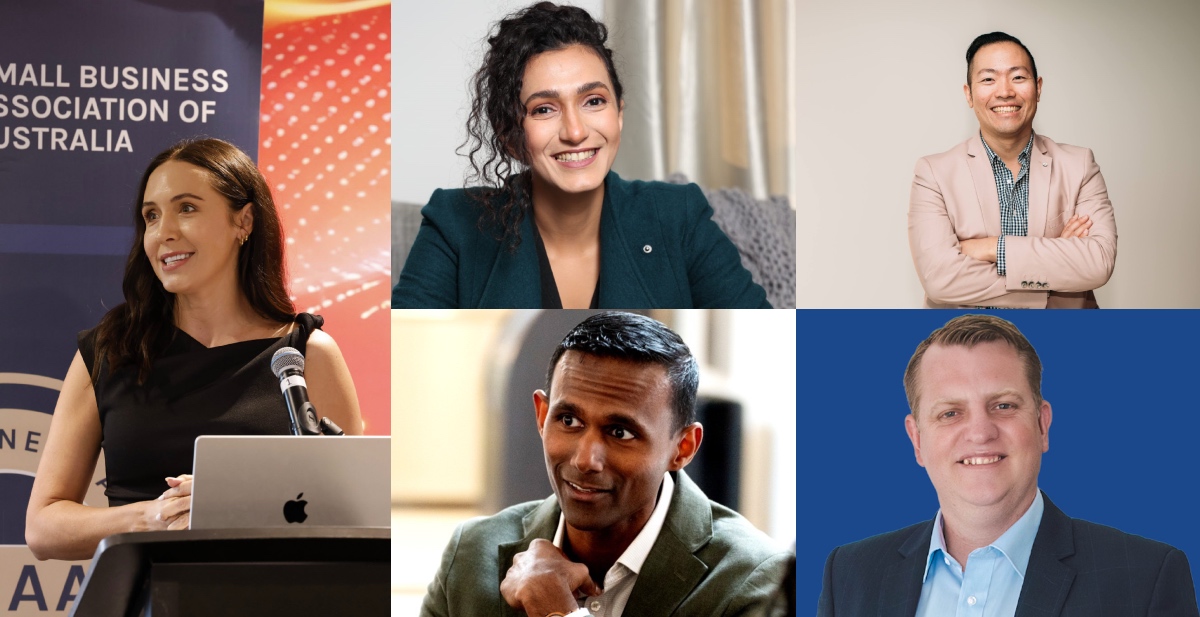
We asked a panel of experts across technology, customer experience and business strategy to share what AI Appreciation Day means in 2026 and what small business owners should take from it.
Renée Chaplin, VP Asia Pacific, Constant Contact
Chaplin says the speed of adoption reflects something practical rather than enthusiasm for technology itself. For many small businesses, AI has become the extra set of hands they never had the budget to hire. More than half of ANZ small businesses using AI point to saving time as the biggest win, whether drafting emails and subject lines, analysing data, or creating visual content. For a business owner wearing every hat at once, those reclaimed hours can go straight back into customers and growth.
That said, she notes real concerns remain. Many small business owners fear AI use could lead customers to feel a loss of personal touch, or raise privacy, authenticity and trust issues. “Used thoughtfully, AI should deepen the human connection, not dilute it,” Chaplin said.
Adam Frank, VP and general manager APAC, SugarAI
Frank points to two industries where AI is creating measurable impact well beyond basic automation. In manufacturing, the real opportunity is not on the factory floor but in the data. ERP and CRM systems hold a gold mine of business, customer and sales data, and where AI can change the game is by analysing fragmented data sets and delivering actionable intelligence that helps teams sell with greater precision, predicting what customers will need even before they know themselves.
In aged care, Frank describes a different but equally significant opportunity. When a family engages an aged care provider, they are doing so during an extremely stressful and emotional time. AI can help connect data that already exists so the right person reaches the right place without the holdups currently slowing things down. “That means clearer communication at every stage of the process, better coordination between providers, and faster delivery of care,” he said.
Dan Winson, Founder, Zetifi
Winson says the conversation has moved on from whether AI works to whether your data does. An agent is only as good as what it can reach and how well it reflects the way the business actually operates. That is where he sees citizen developers, the fleet controller, the service lead, the office manager, becoming increasingly important. These are people who know the company’s policies and are now building the tools themselves, deciding what to escalate and what to ignore. “The teams winning right now are not the ones with the cleverest model. They’re the ones whose data actually does something,” he said.
Andrew Lai, Managing director, Boab AI and SMEC AI
Lai points to China’s national generative AI adoption rate hitting 42.8 per cent in December 2025, up more than 25 percentage points in a year, with AI penetration in Chinese industrial enterprises jumping from under 10 per cent to 47.5 per cent in the same period. While Australian SMEs are understandably asking whether AI is safe, the businesses they compete with internationally are quietly compounding 20 and 30 per cent efficiency gains.
Lai is not arguing for reckless adoption. The mistakes that come from rushing and buying tools without a use case are real and well-documented. But he draws a clear distinction between cautious adoption and no adoption at all. “The risk this country is running is not that it adopts AI too quickly. It is that we hesitate ourselves into irrelevance while the rest of the world keeps moving,” he said. His message to small businesses was direct: they do not need to fall in love with AI on 16 July. They just need to understand it, test it deliberately, and find one place where it genuinely improves the work.
Ruhee Meghani, CEO and founder, Allied Collective
Meghani says AI is an amplifier of human input, not a replacement for it. Behind every AI tool are human decisions about how it is designed, trained and used. That means its impact is not determined by the technology alone, but by the choices organisations make about how to use it. AI cannot build trust, navigate difficult conversations with curiosity, or understand the cultural and social context behind a decision using critical thinking. She says the best leaders will not just ask whether to use AI. They will also ask how it impacts the future and who it might affect. “The future won’t be defined by technology alone, but by how responsibly, inclusively and thoughtfully we choose to use it,” Meghani said.
Ryan Rayner, Co-founder and chief customer officer, iCXeed
Rayner echoes that view from a customer experience perspective. AI is now powering everything from intelligent routing and next-best-action to real-time personalisation and proactive service. But for all the excitement about what AI can do, he says this day is also about appreciating how it is used: responsibly, securely, and in ways that genuinely improve people’s lives rather than just automate them. “AI Appreciation Day is a great moment to pause and recognise just how quickly AI has moved from ‘nice experiment’ to critical business infrastructure,” Rayner said.
Keep up to date with our stories on LinkedIn, Twitter, Facebook and Instagram.