Australian food brands are shifting from “better for you” to “better be you”, as products become identity statements rather than just lifestyle choices
What’s happening: Australia’s FMCG sector is shifting from health-focused positioning to identity-driven branding as consumers reject the choice between wellness and enjoyment.
Why this matters: The shift affects product development, marketing strategies and retail positioning across food, beverage and home care categories.
After a year defined by “better for you” consumer choices, 2026 is shaping up to be the year of “better be you”, where food, drink, and even home-care products become expressions of identity as much as lifestyle.
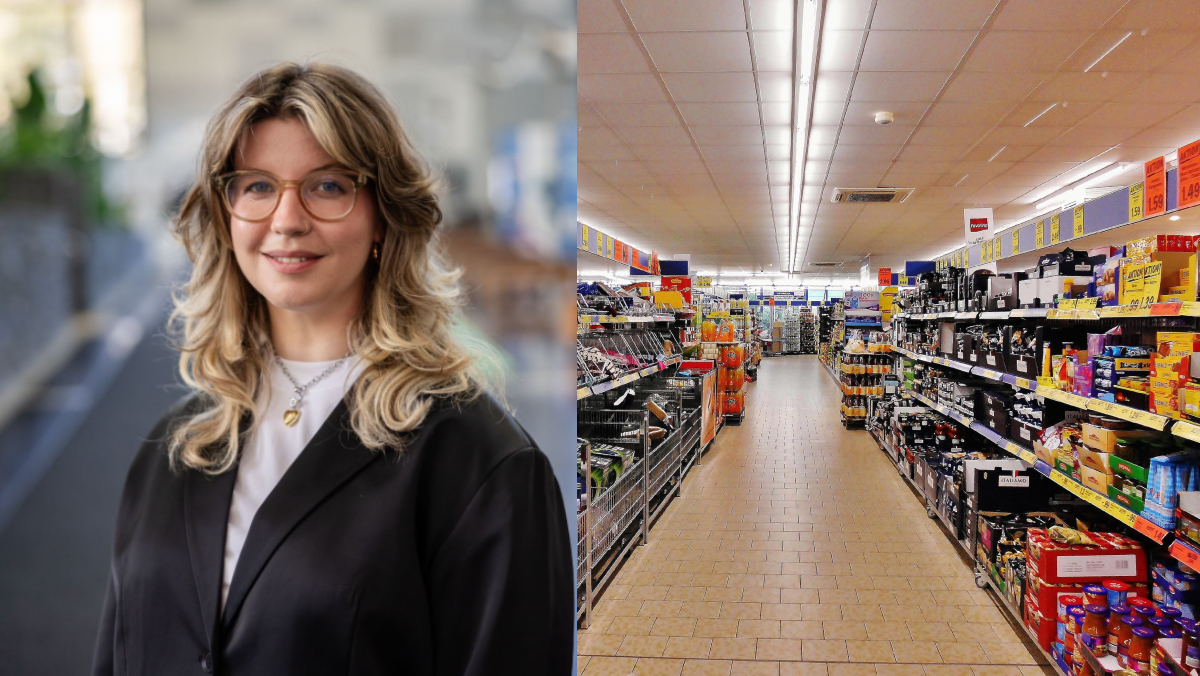
According to Seedlab Australia COO, Kenna MacTavish, who works with hundreds of emerging founders across food, beverage, personal care, and home care categories, the next wave of FMCG growth will be driven by products that deliver not only health benefits but cultural relevance.
“Founders today aren’t just creating products, they’re creating culture. They understand that consumers want brands that reflect how they live, what they value, and the identity they want to project,” said Kenna.
Protein Culture: Less “Plant-Based,” More “Power Move”
While the plant-based boom continues, its positioning is rapidly evolving. The conversation has shifted from ethics to energy and performance.
“Consumers still want alternatives, but the new badge of honour isn’t ‘I don’t eat meat’, it’s ‘I eat smart.’ Protein has become a status symbol; people want products that help them feel strong, capable, and confident,” Kenna explained.
Hybrid snacks, whole-food proteins, and high-performance nutrition will dominate shelves in 2026. Early adopters are also exploring cultivated meat, as regulatory frameworks make these innovations increasingly viable.
Brands like Vutcher are part of this shift, offering smart, protein-forward alternatives that emphasise performance and nutritional confidence. “It’s no longer sci-fi, it’s becoming part of everyday food culture,” added Kenna.
Fruit Is Fun Again
The resurgence of fruit isn’t slowing; it’s expanding. Fruits have become icons across fashion, lifestyle, and pop culture, resurfacing as symbols of nostalgia and joy. “There’s something comforting and playful about fruit. It takes us back to childhood, markets, picnics, the simpler moments,” said Kenna.
Brands like FUNDAY have successfully tapped into this space with functional confectionery that allows indulgence without the guilt. Kiwisorbet and Soda Kick are also embracing the fruit-forward movement, bringing vibrant, flavour-first products that hero natural fruit profiles while leaning into the fun, expressive side of snacking and beverages. The year ahead will see a leap into fun-forward functionality – sleep-supporting gummies, focus-boosting treats, better-for-you lollies that make wellness feel joyful again. “Function is important, but the winning products will lead with fun,” said Kenna.
Cultural micro-trends such as “sardine-core” were never really about sardines; they were about vibe, aesthetic, and aspiration. FMCG brands are taking note. “Food is becoming a fashion statement. Brands like Six-Eyed Scorpion are creating entire lifestyle ecosystems – events, merch, playlists, collaborations. The chilli oil becomes a badge, not just a fridge-sitter,” said Kenna.
Seedlab predicts that in 2026, the brands that succeed will be the ones consumers want to wear, not just consume.
Local Stories, Global Mood
Another emerging force is provenance, and its emotional pull.“‘Australian-made’ has become more than a checkbox. It represents trust, transparency, and tangibility at a time when people crave real connection. It’s not just a trend, it’s become a foundation,” explained Kenna.
Founders who communicate authentic stories about their farms, families, and communities are seeing deeper loyalty and stronger consumer resonance.
Hillston Black Garlic is part of this shift, proudly Australian-made and rooted in a third-generation farming family, turning a once-niche condiment into a pantry staple for home cooks who want a touch of something special.
The creator-led brand boom continues, but a shift is underway. The next generation of influencer-founded FMCG labels won’t be built on hype; they’ll be built on expertise.
“We’re seeing chefs, nutritionists, and athletes entering the market with real credibility. Consumers are too savvy to buy into something that doesn’t have substance. Purpose matters,” noted Kenna.
Innerbloom Coffee is a perfect example – founded by a firefighter and ultra-marathoner who developed products to sustain his own daily performance, illustrating how creator brands with genuine expertise and lived experience are setting the new standard.
This new wave will reward authenticity, knowledge, and true value creation. Overall, consumers in 2026 are rejecting the idea that they must choose between joy and purpose.
“They want both, they want products that look great, do good, and tell a story that feels personal. The brands that succeed will be those operating where culture meets commerce, where food becomes fun again, and where the shelf looks a little more like your social feed,” said Kenna.
Keep up to date with our stories on LinkedIn, Twitter, Facebook and Instagram.