Many software subscriptions get approved once. Someone has a problem, finds a tool, enters a card number and moves on. After that, the cost turns up every month, small enough to ignore and regular enough to feel like part of the furniture.
Often nobody decides to keep it. It simply hasn't been stopped.
Occasionally something prompts a second look. Xero's Comprehensive plan, for example, rose from A$100 to A$107 a month at list price, including GST, on 1 July 2026. That's A$84 more a year per organisation. The amount is modest. The more interesting question is whether the business still gets what it needs from the tool.
1. What is this software actually for?
Tools are usually bought to solve a specific problem, and problems change. A project ends, a process gets redesigned, or a team shifts to a different way of working. The subscription carries on regardless.
It helps to know who is responsible for it. Sometimes the person who signed up has moved on, and nobody has been asked whether the tool is still doing its job. A named owner, even an informal one, makes that question easier to raise.
Start with the outcome rather than the feature list. Is the software helping people complete work, reduce errors, meet an obligation or serve customers? If nobody can explain what it supports, that is worth investigating. It does not automatically mean the answer is to cancel.
2. Who is using it?
Many platforms provide reports showing assigned licences and recent activity. Microsoft's Active Users report, for example, can help administrators see activity across services and identify licences worth reviewing.
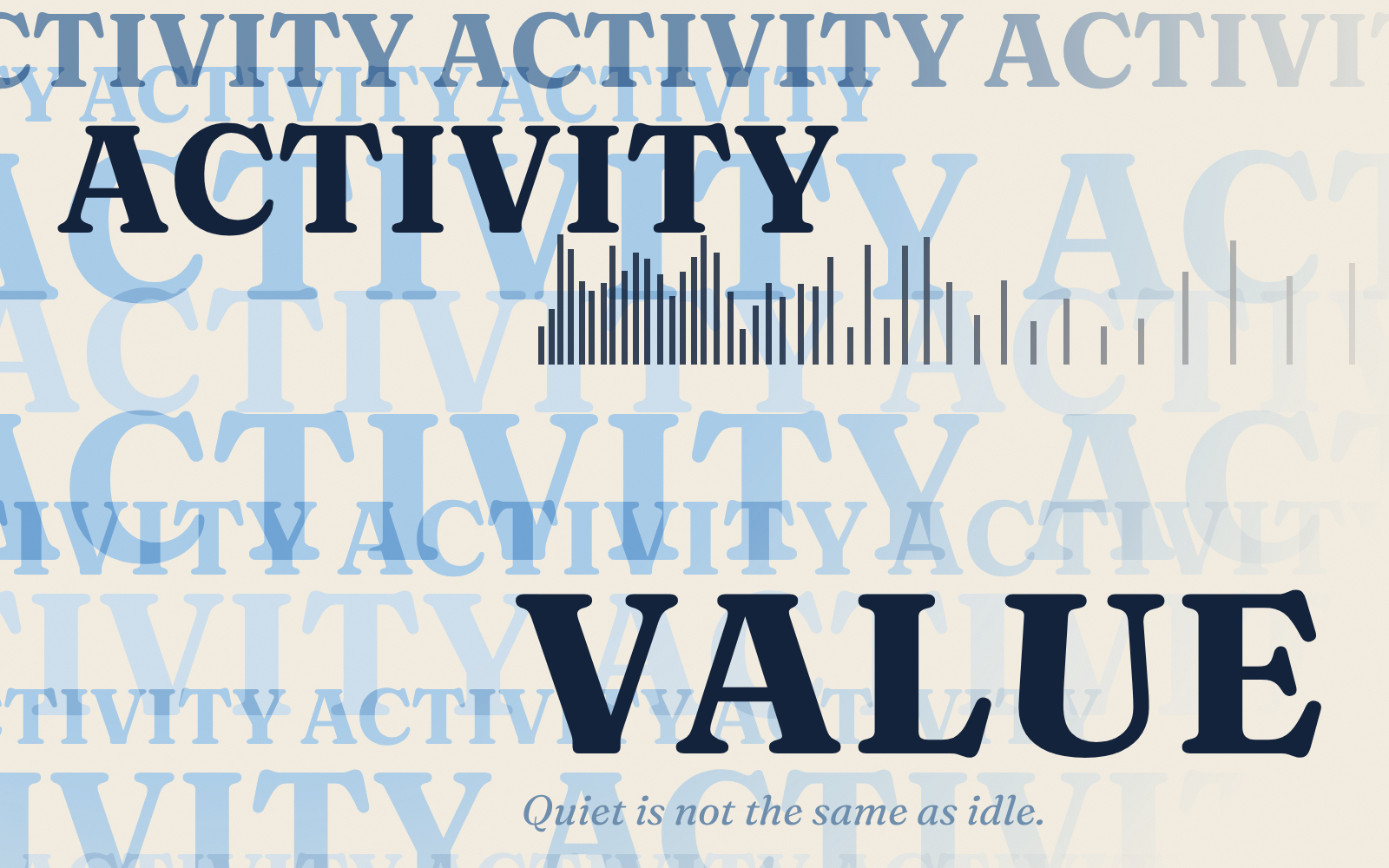
These reports show activity, not value. A login does not prove a tool is worth the money, and a quiet licence does not prove it is wasted. Someone who handles year-end accounts may open a system only occasionally. Security tools bundled into higher plans may work in the background without anyone clicking.
The most useful next step may be a conversation. Ask people what they use the software for, what they would lose without it and whether they've found another way to do the same job. A dashboard can show a pattern. It rarely explains the reason behind it.
3. Are we on the right plan?
Plans are built around bundles, and the cheaper one is not automatically the better choice. Before moving down a tier, find out what you would lose, including features nobody notices day to day, such as security or compliance controls. Moving up deserves the same scrutiny. Some businesses pay for extras that have never been switched on.
Changing plans can also have side effects. Xero's notice to accountants, for instance, says a subscription on special discounted pricing loses that discount if moved to a different plan. Ask the provider what happens to discounts, features and historical data before changing anything.
Low visible use is not a reason to downgrade on its own. A better question is what would stop working, who would notice and whether the saving is worth the trade-off.
4. If nobody uses it, why not?
A quiet tool can mean several different things, and each points to a different decision.
Sometimes the software has outlived its purpose. The need has gone, or another tool now covers it. Cancellation might make sense after checking the contract, dependencies and data-retention requirements.
Sometimes it was never properly introduced. It was bought, handed over and left. Low use then says more about the rollout than the product, and training or a better configuration might change the picture.
There is a difference between software nobody needs and software people actively avoid. The first may be a purchasing problem. The second could be an operational one: a clumsy workflow, poor training or a tool that makes everyday tasks harder than they should be.
And sometimes two tools overlap. Consolidation may be sensible, but it still raises practical questions. A broader review of IT costs can help businesses identify overlapping applications and unnecessary spending. Which data has to move? What will employees need to relearn? What does each contract allow?
5. What happens if we cancel?
Before changing anything, find the paperwork. Renewal dates, notice periods and automatic-renewal terms matter, and they are easy to miss when payments have become routine.
Neither automatic renewal nor a price change is unlawful on its own. The ACCC identifies terms that automatically renew contracts without express consent, or permit price changes without notice, as examples that may be unfair in standard form contracts. Whether a particular term is unfair depends on the circumstances. This is general information, not legal advice.
The practical questions matter just as much. Can the business export its data in a usable form? How long will that data remain available? Do other systems depend on the subscription? Who will confirm the cancellation in writing?
Making the call
A renewal date is an opportunity to make a decision rather than let one happen by default. Some subscriptions will turn out to be surplus. Others may need training, a different plan or a closer look at the contract. A few will be doing quiet, important work that a usage report cannot capture.
The useful question isn't simply whether a subscription gets used. It's whether the business understands what it gets in return, and what it would risk by changing course.
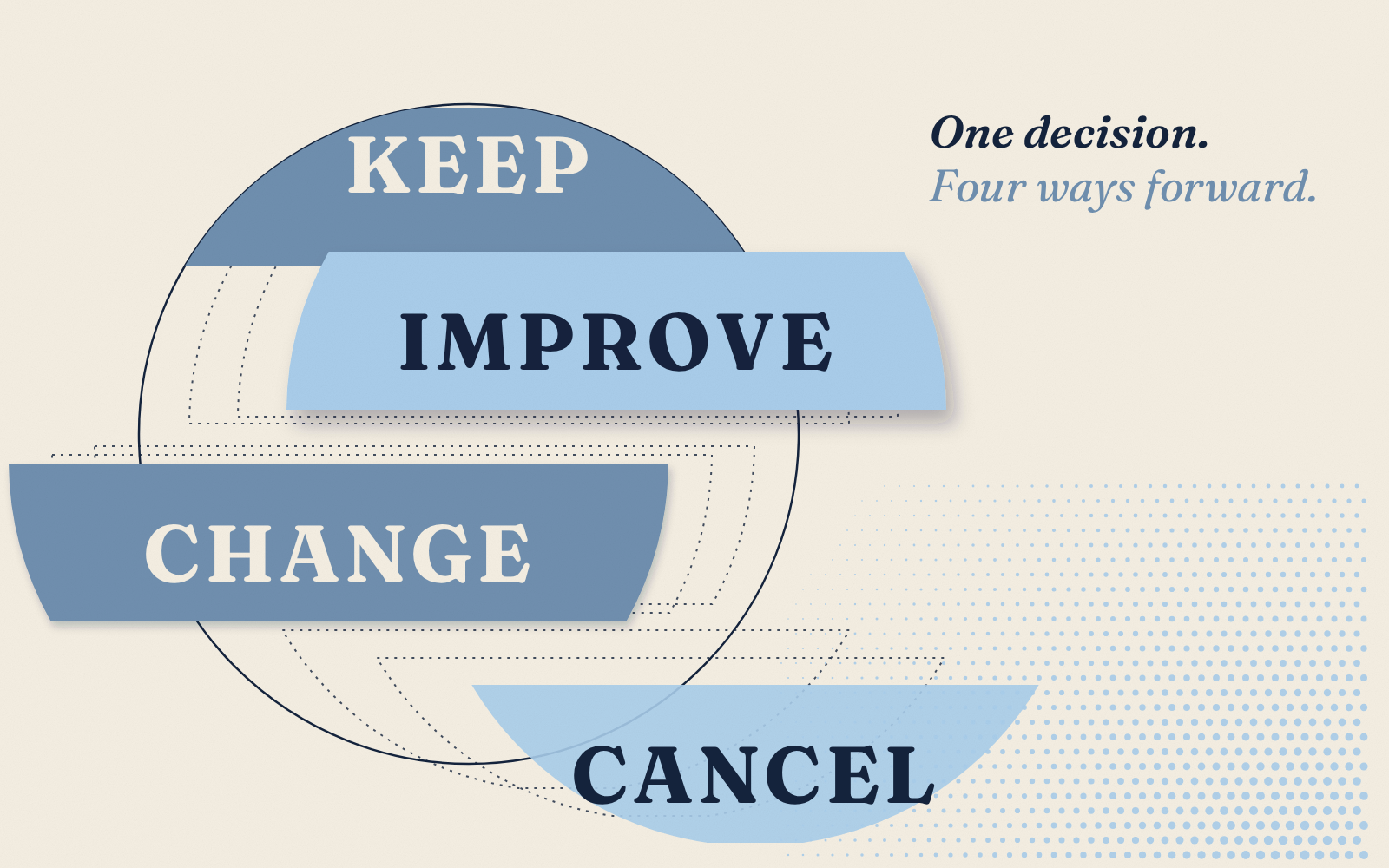
Keep it, improve it, change it or cancel it. Any of those can be the right answer. The costly habit is renewing without ever asking the question.