




Business-related personal insolvencies surged 38% in December 2025, revealing how years of financial pressure are finally catching up with Australian business owners
What’s happening: Bankruptcies now account for more than 60% of all personal insolvencies, according to data from the Australian Financial Security Authority.
Why this matters: Personal insolvency is increasingly occurring later in the business distress cycle, as years of accumulated pressure from higher interest rates, tighter enforcement settings and historic tax debts materialise, putting business owners’ homes and personal assets at risk.
New figures reveal a 38% year on year surge in business-related personal insolvencies in December, indicating a sharp escalation in year-end financial pressure on business owners and directors.
Insolvency solutions and business rescue firm Jirsch Sutherland says tighter enforcement settings, higher interest rates and looming tax obligations are now intensifying that pressure.
Data from the Australian Financial Security Authority shows that 344 people involved in a business entered personal insolvency in December 2025, up from 249 in December 2024. That increase sits within a steady December on December rise over the past four years, with business-related personal insolvencies increasing each year from 163 cases in December 2022.
Four-year climb
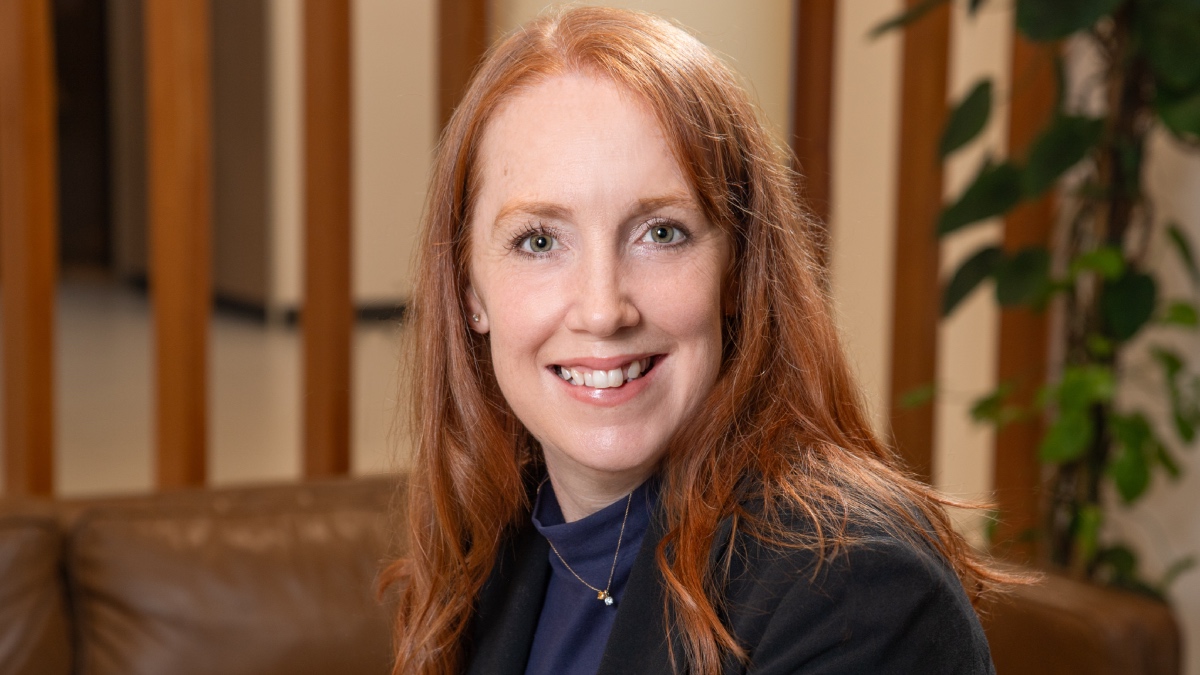
“The December figures reflect a broader pattern, with personal insolvency increasingly occurring later in the business distress cycle, rather than as an immediate response to new shocks,” says Emma Mos, Partner at Jirsch Sutherland.
“This isn’t about sudden failure. What we’re seeing is the personal impact of prolonged business stress. For many business owners, years of pressure lead to personal insolvency as historic liabilities, including tax debts, materialise.”
Across December year-end comparisons, business-related personal insolvencies rose from 163 in 2022, to 232 in 2023, 249 in 2024, and 344 in 2025. Over that period, the share of all personal insolvencies involving someone connected to a business has increased from around 27% to more than 32%, pointing to a structural shift rather than a one-off spike.
Bankruptcies have increased significantly over the past four years, rising from 363 cases in December 2022 to 651 in December 2025, and now account for more than 60% of all personal insolvencies. Growth in debt agreements has been more moderate, while Personal Insolvency Agreements remain low and largely unchanged.
Those entering personal insolvency continue to come from a broad cross-section of industries, including construction, retail trade, transport, postal and warehousing, health care and social assistance, and other services.
Personal guarantees bite
Mos says the data mirrors cases that Jirsch Sutherland is increasingly seeing in practice.
“In one matter I am handling, a sole trader in the residential construction sector gradually took on larger contracts without changing the structure of the business, that is, incorporating. As multiple pressures converged, the business owner was unable to absorb the strain and was unable to pay trade suppliers. Over the following six to 12 months, that pressure flowed through to personal bankruptcy, with trade accounts and personal guarantees leaving not only the business owner but also his home at risk. It’s a reminder that structure and early advice matter, particularly as businesses grow,” she says.
While business-related insolvencies remain the key driver nationally, the Australian Financial Security Authority’s December data also shows total personal insolvencies have increased across multiple states over successive year-end periods.
NSW and Victoria have seen steady volume growth since 2022. Queensland recorded among the strongest increases over the period. Western Australia showed sharp growth from a lower base. South Australia and Tasmania’s December totals now sit well above 2022 levels.
Year-end collision
The pressure on businesses has been mounting throughout 2024 and 2025, with insolvencies showing no sign of easing across most sectors according to earlier CreditorWatch analysis. More recently, discretionary spending pressures have triggered mass business closures, particularly in hospitality and retail.
Mos says pressure on businesses is unlikely to ease in the near term, with year-end stress now colliding with early-year obligations, including the first Business Activity Statements due at the end of February, legacy tax debt, alongside the higher interest rate environment.
“Once personal exposure intensifies, options narrow quickly,” she says. “Seeking advice early can make a material difference to outcomes.”
Keep up to date with our stories on LinkedIn, Twitter, Facebook and Instagram.
