Dynamic Business Logo

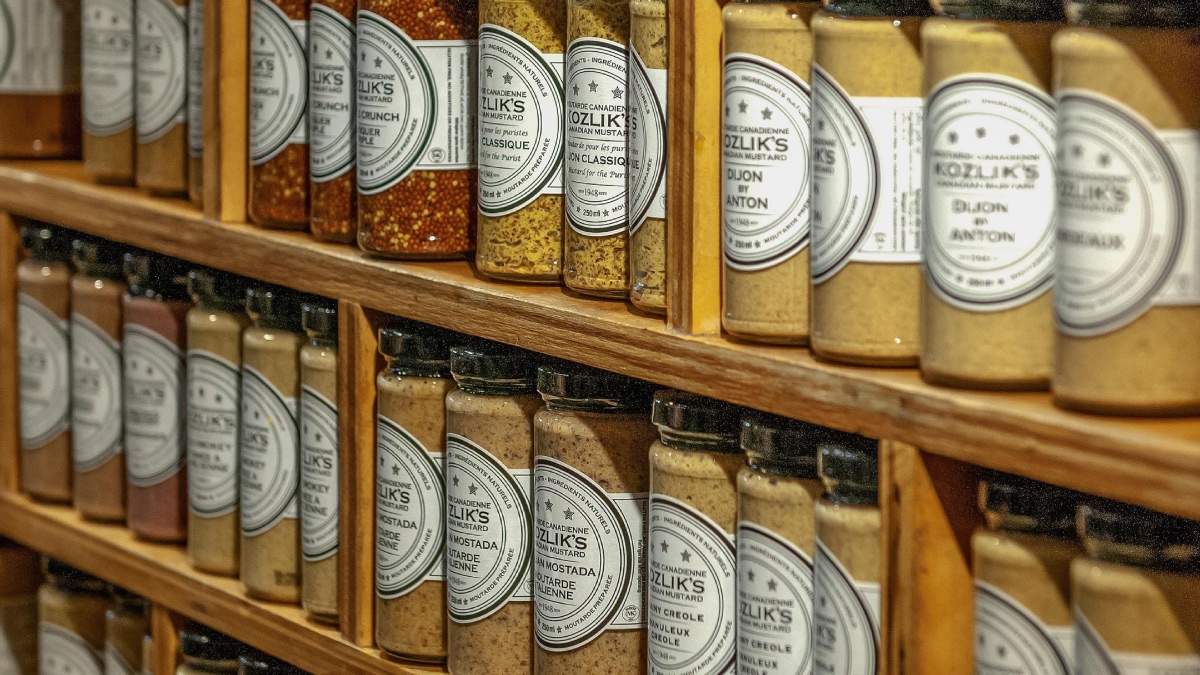
Representative image via Pexels

Recognition is the new currency in retail and most brands are spending it badly

When shelves get crowded, most brands add more, more claims, more messaging, more visual noise. A Sydney branding expert says that instinct is costing them sales.

Retail shelves are getting more crowded and private label brands are getting better. For small consumer goods businesses trying to hold their ground, the temptation to respond with more, more product claims, more messaging, more visual noise, is understandable. According to branding practitioners, it is also one of the most common mistakes a brand can make.

New data from NielsenIQ’s 2025 global outlook shows 53 per cent of consumers say they are buying more private label products than before, reflecting the growing competitiveness of retailer brands across grocery and FMCG categories. Private label products now represent almost a quarter of global FMCG sales and are driving nearly 8 per cent of global FMCG sales growth, according to NielsenIQ, highlighting how rapidly the competitive landscape is shifting beneath branded products.

The private label pressure is real

The pressure is not evenly distributed. Categories that were once reliably brand-led are now seeing sophisticated private label alternatives competing directly on quality, packaging and price. Innovation cycles are accelerating while product ranges continue to expand, meaning the window in which a brand can capture consumer attention on shelf is narrowing.

Tony Ibbotson, Founder and Creative Director of Sydney brand and packaging agency The Creative Method, says these conditions are exposing a strategic weakness that has always existed in branded FMCG but is now much harder to hide.

“When categories become dense and fast-moving, the instinct is often to add more, more claims, more messaging, more visual activity,” Ibbotson says. “But in reality, complexity slows consumers down. In high-velocity retail environments, brands that are understood quickly are the ones that get chosen.”

Why complexity is the wrong response

The logic behind adding more to packaging is intuitive. If competitors are offering similar products at lower prices, the reasoning goes, a brand needs to communicate more reasons to choose it. More benefits, more credentials, more proof points.

The problem, Ibbotson argues, is that this logic misunderstands how consumers actually make purchasing decisions in a retail environment. Shoppers in grocery and FMCG categories are not reading packaging. They are scanning it. The brands that win are the ones that can be understood in the time it takes to glance at a shelf.

“When shelves are crowded and consumers are scanning quickly, brands have seconds to communicate what they are,” he says. “That’s where structure matters, clear hierarchy, recognisable assets, and disciplined design systems.”

This does not mean stripping everything back for aesthetic reasons. It means making deliberate choices about what the brand communicates first, second and third, and building a visual system that makes those choices consistent and recognisable across every product in the range.

Where clarity breaks down in practice

The challenge becomes more acute as brands expand into larger or more competitive markets, where weak positioning becomes visible much faster. Ibbotson, whose agency works with consumer goods brands across international markets, says inconsistency that goes unnoticed in smaller markets gets exposed quickly when brands enter higher-volume retail environments.

“In smaller markets inconsistency can sometimes go unnoticed, but in bigger markets, everything is amplified, competition, speed, consumer choice,” he says. “Weak strategy is exposed quickly, while clear brand systems compound over time.”

The categories where this tension is most visible tend to be the ones experiencing the most disruption. Nutrition and functional food brands, where the pressure to communicate health credentials, certifications and ingredient claims is intense, are a common example. Coffee, one of the world’s most saturated retail categories, is another. In both cases, the brands that cut through tend to be the ones that have made a deliberate choice about what they stand for and built every design decision around communicating that clearly.

In regulated categories, the challenge is compounded by compliance requirements that can consume significant packaging real estate. Ibbotson’s view is that structure becomes even more important in those contexts. “In regulated categories you can’t rely on noise,” he says. “Structure becomes essential.”

What disciplined brands do differently

The common thread across the brands that perform well in crowded retail environments, according to Ibbotson, is not a particular aesthetic or style. It is a clarity of intent about what the brand needs to communicate and a disciplined system for communicating it consistently.

“Nutrition brands often try to communicate everything at once,” he says. “But consumers rarely buy complexity. They buy what they understand quickly.”

For small consumer goods businesses navigating a retail environment that is increasingly dominated by sophisticated private label alternatives, the NielsenIQ data is a prompt to ask a direct question about their own packaging. If a consumer scanned the shelf for two seconds, would they understand immediately what the product is, who it is for and why it is worth choosing over the private label option next to it?

“In crowded markets, recognition becomes currency,” Ibbotson says. “The brands that win are the ones people understand instantly.”

Tony Ibbotson is Founder and Creative Director of The Creative Method, a Sydney-based brand and packaging agency. The views expressed reflect his professional experience working with consumer goods brands.

Keep up to date with our stories on LinkedInTwitterFacebook and Instagram.

Yajush Gupta

Yajush Gupta

Yajush writes for Dynamic Business and previously covered business news at Reuters.

View all posts