Dynamic Business Logo
Home Button
Bookmark Button

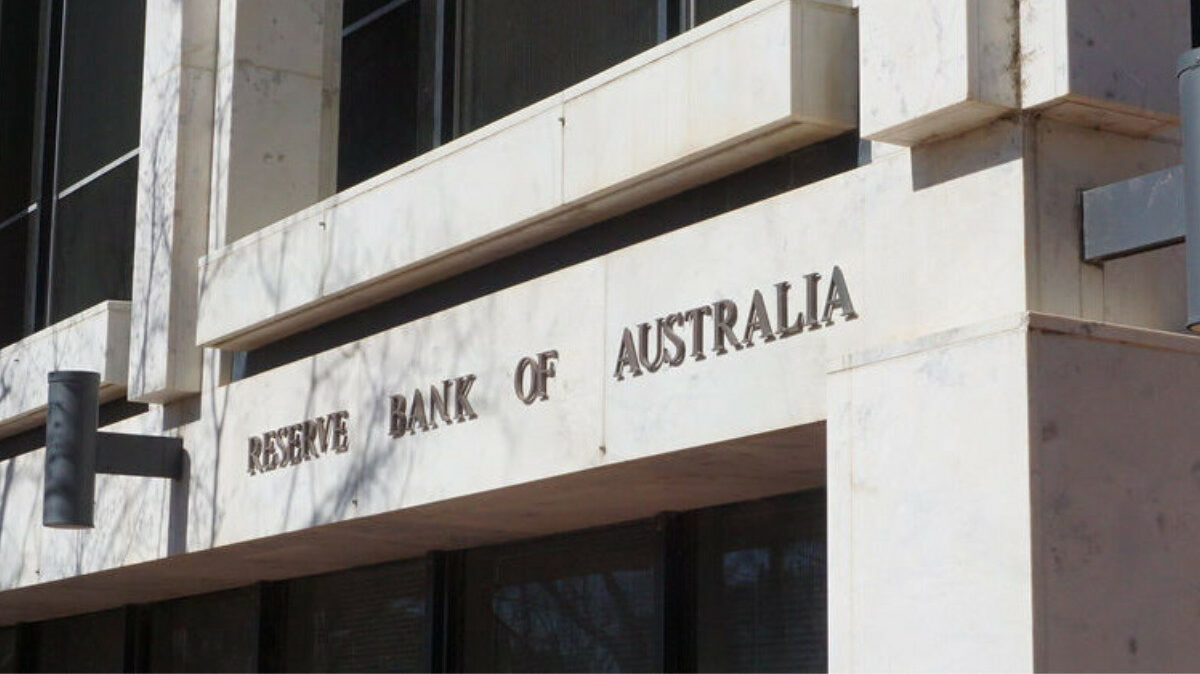
Source: Spelio on Flickr

RBA’s first rate rise in two years puts squeeze on struggling businesses

The RBA has hiked rates to 3.85%, adding $115 monthly to average mortgages. Industry experts reveal how SMEs are responding to the squeeze

What’s happening: The Reserve Bank of Australia has lifted the cash rate by 25 basis points to 3.85 per cent, marking the first increase in over two years.

Why this matters: For SMEs, the decision arrives as working capital enquiries decline and consumer sentiment weakens, creating a challenging environment for growth and investment decisions.

The decision to raise rates reflects mounting concerns about inflation, which picked up materially in the second half of 2025. The central bank attributes this to greater capacity pressures and stronger-than-expected private demand growth.

For mortgage holders, the impact is immediate and measurable. Joel Gibson, Consumer Finance Expert at Zyft, warns the increase will hurt households already under strain.

“Today’s rate hike is going to hurt, and there’s no way around that. For the 35 to 40 per cent of Australians with a mortgage, we’re talking an extra $115 a month on the average $694,000 loan. According to Finder, over half of mortgage holders were experiencing mortgage stress even before this decision, and today has just made an already‑fragile situation worse.”

Gibson emphasises that renters won’t escape the pressure either. “Renters won’t escape either. Landlords will pass on what they can. Rents are still rising, with median weekly rents nationally around $650 and climbing, squeezing household budgets further as vacancy rates stay tight and supply remains limited.

According to Domain, renters near Sydney CBD alone require around $216,000 annually to live comfortably, while on the city fringe this drops to about $112,000. That’s slamming the door shut on anyone trying to get a foothold in the market right now.”

Mortgages under pressure

The housing market sensitivity to rate movements extends beyond monthly repayments. Gibson points to the broader household budget squeeze beyond housing costs. “The squeeze isn’t just on housing. Everyday essentials like groceries, energy and insurance are taking a bigger bite out of household budgets, and people underestimate how much of their pay goes on those fixed costs. Australians are now spending about $198.16 a week on groceries, which adds up to more than $10,300 a year – that’s 14% of the median wage in Australia.”

He adds a reality check for those looking for quick savings solutions. “Skipping your $5 coffees won’t close this gap fast enough. Real savings come from reviewing energy plans, comparing insurance and shopping smarter for groceries, because those are the bills everyone has to pay.”

SMEs pull back spending

Small businesses were already showing signs of caution before the rate decision. Alex Molloy, CEO and Co-founder of Valiant Finance, observed the trend emerging in late 2025. “Inflation is the real issue here – it’s dragging on consumer sentiment and a rate hike will likely push that sentiment lower. We saw SMEs already getting cautious by Q4 2025 – growth in working capital enquiries dropped quarter on quarter. They saw this coming and started pulling back.”

Louise Southall, Xero Economist, expressed disappointment at the timing of the decision. “Today’s decision by the RBA to raise the official cash rate to 3.85% will be disappointing news for small business owners. Many would have been hoping for a longer period of the cash rate on hold, to give the tentative signs of recovery a chance to become more sustainable.”

Southall points to recent data showing fragile recovery signals. “The latest Xero Small Business Insights (XSBI) data shows some green-shoots started to appear in the three months to September. Small business sales grew 5.5% year-on-year (y/y) in the quarter – the largest rise in two years. The recovery is still fragile, however, with this sales result below the historical average for this series (7.8% y/y). In addition, consumer confidence is shaky – the Westpac–Melbourne Institute Consumer Sentiment Index slipped 1.7% lower to 92.9 in January.”

She warns of the broader implications for small business performance. “Today’s decision puts at risk the emerging recovery in small business sales and means owners must once again deal with the negative flow-on effects of higher interest rates on customer budgets, confidence and spending.”

Productivity over growth

Despite the headwinds, Molloy sees strategic opportunities for forward-thinking businesses.

“There are still opportunities out there for SMEs. When consumer demand softens, productivity becomes crucial. The businesses that invest in equipment upgrades and digital efficiency now can boost competitiveness. While the mortgage markets are very sensitive to RBA decisions, the commercial market is a little more dynamic so it’s a good time to review finance options for productivity improvements.”

Southall offers practical advice for small business owners navigating the new environment. “For small business owners bracing for the impact of today’s decision, there are a number of steps you can take to help mitigate this impact. Managing your cash flow is always critical and it’s also important to ensure you’re forecasting well ahead as best you can – particularly with Payday Super requirements coming down the line. A key component of ensuring a healthy cash flow is getting paid on time, so enlisting the support of tools like automatic invoice reminders, including a ‘pay now’ button on invoices and offering your customers multiple payment options will all increase the likelihood of getting paid on time and reducing that cash flow risk.”

Hospitality on edge

The hospitality sector faces particularly acute challenges. Ross Kemp and Joe Avers, owners of Super Nash Brothers, expressed frustration at the lack of support for their industry.

“I’m not surprised at all by today’s decision when you look at the inflation data. A rate rise won’t change how we operate day to day, but we usually see a slight dip in the fortnight after an announcement like this. The bigger issue is confidence – costs keep rising and it continues to erode already slim margins.”

They emphasise that consumer spending patterns remain resilient, but profitability is the real challenge. “Consumers will still come out and spend, but every increase makes it harder for hospitality businesses to stay profitable. We’re dealing with high operating costs, high productivity demands, and very little room to move. You can’t just flip a switch and become more profitable overnight.”

The operators call for more substantial government intervention. “What’s missing is meaningful support for small hospitality businesses. Across the industry, we’re seeing good operators cutting back or closing outlets, not because the businesses aren’t viable, but because the cost increases have stacked up year after year. Only about 0.5% of our industry peers say they are thriving. There needs to be more government support – whether that’s tax relief, GST changes, or incentives to help with staff training and apprenticeships – because right now, we’re all operating on razor-thin margins.”

Kylie Purcell, Senior Markets Analyst at Stake, outlined the market response and sectoral implications. “Australia’s central bank has lifted the cash rate by 25 basis points, for the first time in over two years. The rate change follows higher than expected inflation figures published in January, as well as ongoing falling unemployment.”

She noted that markets had largely anticipated the move. “With the rate now sitting at 3.85%, we’re not likely to see a big market reaction. As of the end of January, the market had been pricing in a 72% chance of a rate hike to 3.85% in the leadup to today’s meeting. Trading activity on Stake AUS was up 25% over the last seven days compared to the week prior, while trading volumes were also up 47%. This heightened trading reflects how closely watched today’s move has been.”

Purcell expects differential impacts across equity sectors. “The impact on equity markets will be broad. Growth and cyclical sectors will feel the impact, with their future earnings becoming less valuable. Banks and financial institutions are set to benefit the most, similarly defensive and staple stocks are less sensitive to hikes. Market segments more sensitive to rate increases include property, where higher borrowing costs hit developments and yields, and consumer discretionary stocks where mortgages and loan increases mean slower spending of non-essentials.”

The labour market implications are also coming into focus. Ben Thompson, CEO and co-founder of Employment Hero, connects the rate decision to employment trends. “The rate increase isn’t a surprise given inflation has come in above expectations and unemployment has fallen to 4.1%. The challenge is that higher rates will add pressure for households and small businesses at the same time as the labour market is already starting to cool per Employment Hero data. The latest Employment Hero jobs data shows hiring is slowing and employers are cutting hours. That’s most pronounced amongst younger Australians and in casual, shift-based roles – jobs that depend on rostered hours, weekend shifts and seasonal demand. While the rise is clearly intended to curb inflation, we’d expect that cooling trend to become more evident in our data as business owners navigate a tougher environment.”

Martin Herbst, CEO of JobAdder, sees a fundamental shift in hiring dynamics. “Rate hikes are a sobering signal for the labor market, forcing businesses to be far more surgical with their hiring. We are seeing a distinct shift in market equilibrium: while job creation has cooled, candidate applications have surged by 42% year-on-year.”

“For employers, the challenge has shifted from ‘finding’ talent to ‘filtering’ it. This massive spike in volume creates a lot of noise, which is why we are now leaning heavily on AI-driven vetting and matching tools. By using AI to parse high-volume data points and identify core competencies instantly, we can cut through the 42% surge to find the elite 1% who truly fit the brief. In this high-interest environment, businesses can’t afford a bad hire; they need precision, and the combination of AI efficiency and human expertise is how we deliver that.”

As businesses and households adjust to the new rate environment, the focus shifts to managing immediate pressures whilst positioning for longer-term resilience in an inflation-constrained economy.

Keep up to date with our stories on LinkedInTwitterFacebook and Instagram.

What do you think?

    Be the first to comment

Add a new comment

Yajush Gupta

Yajush Gupta

Yajush writes for Dynamic Business and previously covered business news at Reuters.

View all posts