Meta has 250 million small businesses on its platforms. Now Zuckerberg is making them a company-wide priority.
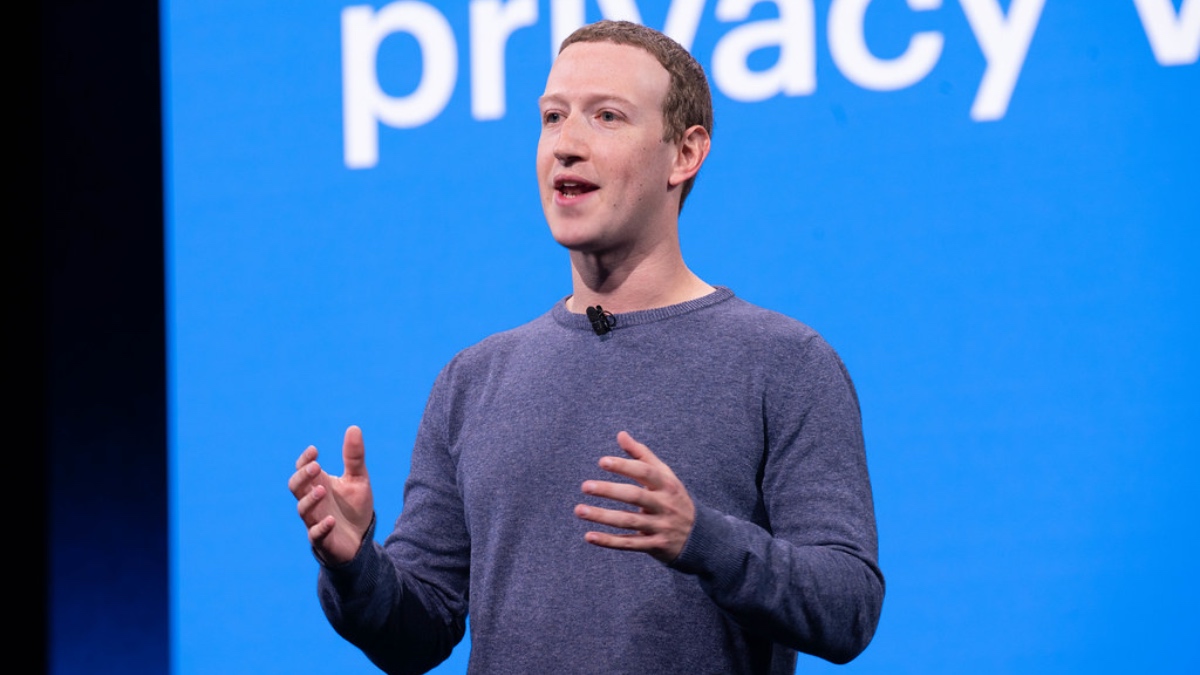
What’s happening: Meta CEO Mark Zuckerberg has launched Meta Small Business, a company-wide initiative to support entrepreneurship and drive AI adoption among the more than 250 million small businesses that use Facebook, Instagram and WhatsApp globally.
Why this matters: Meta’s platforms are already central to how they find customers and run marketing. A dedicated unit backed by senior leadership signals that more tools, more support and more AI capability could be coming specifically for businesses like theirs, not just large enterprise advertisers.
Mark Zuckerberg has a lot on his plate in 2026. Meta is spending up to $135 billion on AI infrastructure this year, building out data centres, acquiring AI companies and rebuilding its research teams. But in a move that may matter more directly to small business owners, Zuckerberg has flagged something closer to home.
In an internal post reported by Axios, Zuckerberg announced the launch of Meta Small Business, describing it as a company-wide priority to support entrepreneurship and accelerate AI adoption among the platform’s vast base of small business users.
“Small businesses have always been the majority of our business model. Tens of millions of entrepreneurs use our platforms every day to connect with customers and grow. We’ve already built the leading tools in this space, and now we’re going to do more,” Zuckerberg wrote in the internal post, as quoted by Axios.
The initiative will be overseen by two of Meta’s most senior executives, head of product Naomi Gleit and President and Vice Chairman Dina Powell McCormick, according to the report. Zuckerberg called on product managers, designers, engineers and other staff across the company to reach out if they wanted to work on the effort.
AI tools already changing ads
The launch is not starting from scratch. Meta has already been building AI tools aimed at businesses, and early results suggest they are working. During an earnings call in January, Zuckerberg told investors that businesses using Meta’s AI-driven Image Generation ad tool were seeing a 7% increase in conversions, adding that he believed there was considerably more upside to come.
Meta CFO Susan Li also told analysts that output per engineer at Meta had risen 30% since the start of 2025, driven largely by AI coding tools, and that power users had seen output increase 80% year on year. The same internal push toward AI efficiency is now being turned outward toward the small businesses that rely on Meta’s platforms.
For small business owners already running Facebook or Instagram ads, this trajectory matters. Meta’s AI tools are increasingly handling ad creation, optimisation and targeting, which means less technical knowledge is required to run effective campaigns, and more of the heavy lifting is being done automatically.
One area worth watching closely is WhatsApp. The platform has two billion daily users globally, according to Meta’s most recent earnings figures, and Zuckerberg has signalled that AI-driven commerce through messaging is a key focus for 2026.
Meta is separately developing agentic shopping tools that would allow users to find and purchase products from businesses listed in Meta’s catalogue directly through its platforms. For small business owners who have not yet explored WhatsApp for Business, this could represent a meaningful shift in how customers discover and interact with them.
Meta is also reportedly planning to introduce stablecoin-based payments later in 2026, which could eventually open up low-cost payment options for businesses transacting across borders, though details remain limited and the rollout is pending regulatory conditions, according to CoinDesk.
What Australian SMEs should watch
Meta’s platforms are already a core part of how many Australian small businesses market themselves, and the formal creation of Meta Small Business suggests that investment in tools for those businesses is about to increase. Australian small businesses are under significant cost pressure from rising fuel prices, higher interest rates and weakening consumer sentiment, all of which make affordable, high-return marketing channels more valuable, not less.
Meta’s AI ad tools, if they continue to improve conversion rates as early data suggests, could represent one of the more accessible ways for small businesses to stretch a tighter marketing budget. The key question is whether the tools that emerge from this new unit will be built with smaller operators in mind, or whether they will be shaped primarily around the needs of larger advertisers.
Keep up to date with our stories on LinkedIn, Twitter, Facebook and Instagram.