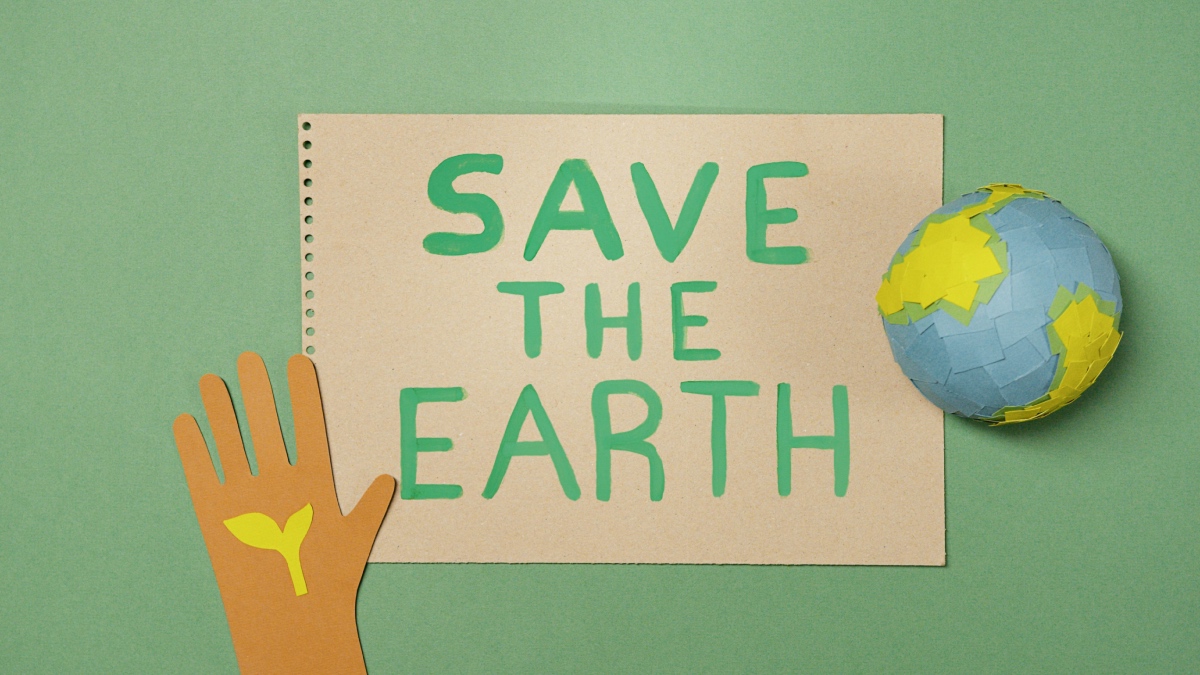
Here is what sustainability experts say small businesses need to know about communicating their green credentials honestly and effectively.
Sustainability is no longer a nice-to-have for Australian small businesses. Consumers are making purchasing decisions based on environmental values, and the pressure to communicate green credentials clearly and credibly has never been greater. But knowing what to say, how to say it and how to back it up is where many businesses struggle. Here is what the experts recommend.
Start by understanding what your customers actually care about
Tim Clover, Founder and CEO of Glow, says the first step is not communication at all. It is listening. “Before businesses start marketing sustainability credentials, first you need to understand what is important to your customers,” he says. “What social, environmental, and governance issues do they care about? And how do they expect your business to be addressing those issues? Once you have that insight, you can build a strategy that will create impact.”
Clover also flags a trap many businesses fall into once they do have a strategy. “Our sustainability brand performance tracker shows that many Australian brands suffer from ‘green whispering’, not talking enough about their efforts,” he says. “Don’t be shy about sharing why you are on a sustainability journey, what your plans are and how you are progressing. Just remember to do it with the candor and transparency your customers expect.”
His research puts the stakes in context. According to Glow’s data, two out of three Australian consumers rank social and environmental responsibility as important when choosing a brand, while more than one in five has switched brands based on sustainability perception in the past year.
Make the business case, not just the environmental one
David Walsh, Founder and CEO of CIM, argues that sustainability credentials are most powerful when they are connected directly to business outcomes. “Accelerating Net Zero ambitions makes good business and brand sense,” Walsh says. “Energy costs are a significant and rising expense.” He points to data showing that energy efficient buildings attract better tenants, higher valuations and stronger investor interest. “The shift towards Net Zero isn’t just a regulatory or political imperative, it’s smart business.”
For small businesses, the implication is clear. Framing sustainability as a commercial advantage rather than a compliance exercise makes it more compelling to customers, investors and staff alike.
Honesty over perfection
The businesses that get sustainability communication right are not the ones with the most impressive credentials. They are the ones who are most honest about where they are in the journey.
Carolyn Butler-Madden, Founder of The Cause Effect and author of For Love and Money, offers a framework built around courage rather than caution. She recommends setting ambitious goals, allowing those goals to drive innovation, always prioritising actions over words, inviting customers to be part of the change and making others the heroes of the story rather than the brand itself. “Your brand is the facilitator for change, not the story’s hero,” Butler-Madden says.
Anu Sawhney, Founder of Bidiliia jewellery, puts it plainly from a small business perspective. “Customers are very environmentally aware, so it’s important to be honest and transparent about your business’s green credentials. Any hint of greenwashing can lead to broken trust.”
Sawhney describes her own approach as one of continuous learning. “None of us is perfect when it comes to sustainability. We can always do more. It isn’t set and forget but a continued work in progress. We’re learning all the time, and always looking for new ways to do things, to lessen our impact and remain ethical in our practice. And we’re always communicating these efforts with our customers, so they maintain their trust in us and our practices.”
Get your visuals right too
Kate Rourke, Head of Creative Insights Asia Pacific at Getty Images and iStock, raises a dimension of sustainability communication that many businesses overlook entirely: the images they use.
“Brands struggle to visualise sustainability in an authentic and relatable way, and often rely on abstract or stereotypical renewable energy symbols such as solar and wind farms to market their green credentials,” she says.
Rourke recommends expanding visual content to humanise and personalise the sustainability story, using images that consumers can relate to and that represent new concepts such as the circular economy or energy efficiency. She also flags a representation issue worth noting. “Our data reveals young white women are depicted the most when it comes to sustainability. It’s fundamental to visually represent people of all ages, genders and ethnicities.”
Use certifications and third parties to build credibility
Veena Harbaugh, Director of Sustainability at Sendle, recommends a three-step approach: measure your environmental footprint, find credible partners to help move to more sustainable options, and seek independent verification from third parties. “Receiving a B Corp certification can ensure you uphold high standards of verified performance, accountability and transparency while building trust with consumers and your communities,” Harbaugh says. “Sustainability-focused industry awards can also help to verify and market your impact.”
She is also direct about where to start. “Do the work to understand and measure your environmental footprint. There are various tools that can help to measure your carbon emissions from manufacturing to shipping to even your digital presence. This can help you set environmental goals and report on them annually via your website.”
Bring your employees along first
Before taking the sustainability message external, make sure your own team is on board. “Make sure your employees understand what you are doing on ESG,” Butler-Madden says. “Australian workers are passionate about sustainability. Before speaking with external stakeholders it’s important your people are on board with your sustainability plans too.”
The through line across all of these perspectives is consistent. Effective sustainability marketing is not about claiming perfection. It is about demonstrating genuine commitment, communicating progress honestly and inviting customers into a journey rather than presenting a finished result. For small businesses, that approach is not only more credible. It is more achievable.
Insights in this article were originally shared as part of Dynamic Business’s Let’s Talk series.
Keep up to date with our stories on LinkedIn, Twitter, Facebook and Instagram.