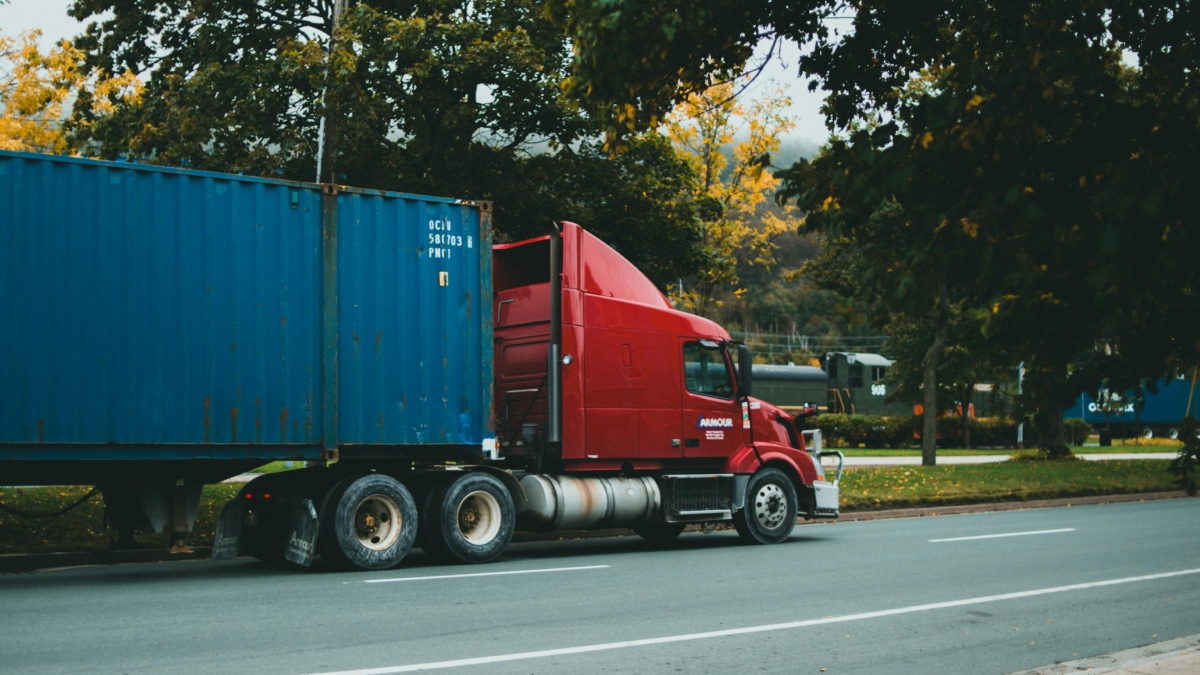
A new Fair Work order is forcing rate adjustments across road transport supply chains starting today.
What’s happening: The Fair Work Commission has made the Road Transport Contractual Chain Order, Fuel Cost Recovery, 2026, which came into force on 21 April 2026. The order requires primary and secondary parties in road transport contractual chains to adjust their rates fortnightly to cover increased fuel costs caused by conflict in the Middle East.
Why this matters: The order covers workers and businesses across road transport contractual chains, which means any SME contracting road transport services, including for freight, delivery, or distribution, may have obligations under the order from today.
The Fair Work Commission has issued Australia’s first time-sensitive road transport contractual chain order, requiring businesses across road transport supply chains to make fortnightly rate adjustments to cover the rising cost of fuel. The Road Transport Contractual Chain Order, Fuel Cost Recovery, 2026 came into force on 21 April 2026.
The order was made on 20 April by an Expert Panel comprising Fair Work Commission President Justice Hatcher and Vice Presidents Asbury and Gibian, following four days of hearings held between 8 and 17 April, an engagement conference, and a public consultation process. It is the first order made under new emergency powers introduced by the Fair Work Amendment, Fairer Fuel, Act 2026, which received royal assent on 1 April.
Under the order, primary and secondary parties in road transport contractual chains must adjust their rates fortnightly, or twice per calendar month, to ensure that those performing transport work can recover the increased cost of fuel since 6 March 2026. The order defines the increased cost of fuel as the difference between diesel prices on that date and the price at any given time while the order remains in effect. Existing rise-and-fall clauses already in contracts, industrial instruments, or other arrangements, including those in place before 21 April, may satisfy the adjustment obligation.
The order covers workers and businesses involved in the performance of work in road transport contractual chains. The cash in transit industry is not covered. Some people are excluded from road transport contractual chains under the Fair Work Act 2009.
The order will remain in force until the weekly average national terminal gate price for diesel falls below $2 per litre. It will be reviewed after one month of operation and then every three months. Disputes arising under the order that cannot be resolved by the parties can be referred to the Fair Work Commission.
The Fair Work Ombudsman, a separate body from the Fair Work Commission, has authority to provide information, advice, and compliance guidance on road transport contractual chain orders and can investigate and take enforcement action where required. SMEs with questions about their obligations under the order can contact the Fair Work Ombudsman directly or visit the regulated workers section of the Fair Work Ombudsman website.
Read fact sheet about the order (pdf)
Keep up to date with our stories on LinkedIn, Twitter, Facebook and Instagram.