COSBOA welcomes trust tax fix, but flags a punishing catch in the fine print

Discretionary trusts can now avoid a new 30 per cent minimum tax by fixing distributions

Yajush Gupta
Yajush Gupta
News Desk · 4 Sept 2026 · 2 min read
Above COSBOA welcomes trust tax fix, but flags a punishing catch in the fine print. Dynamic Business

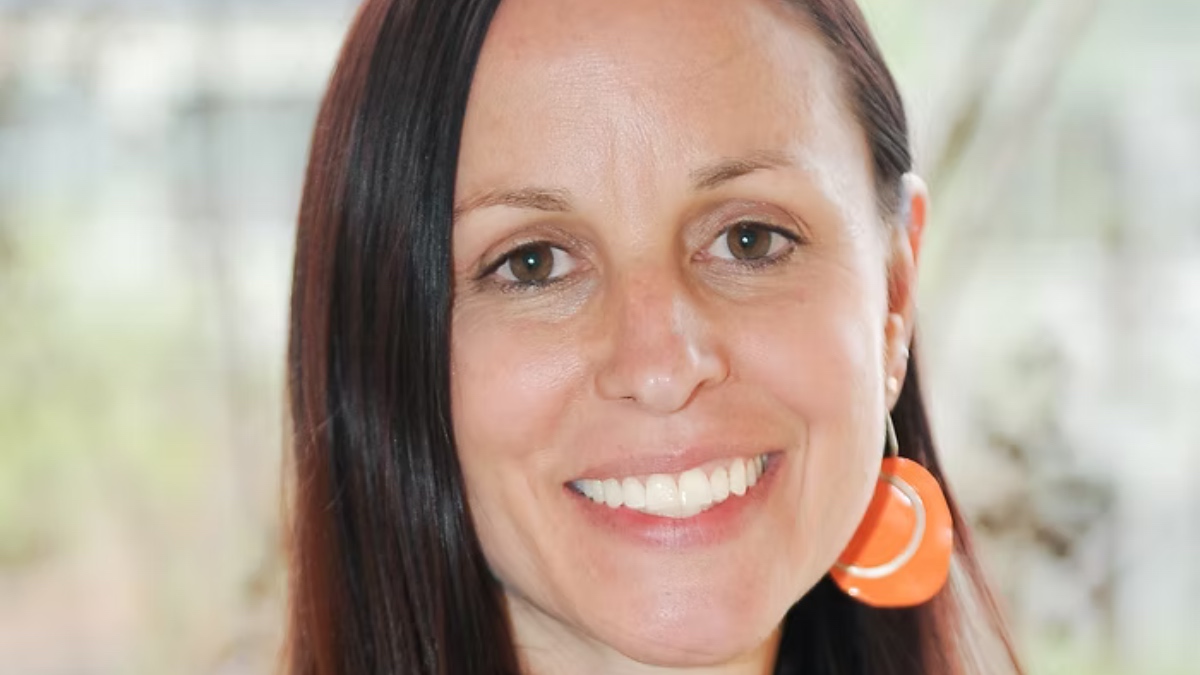
Discretionary trusts can now avoid a new 30 per cent minimum tax by fixing distributions, COSBOA’s Skye Cappuccio says, but warns a real trade-off remains.

The Federal Government’s exposure draft on the taxation of discretionary trusts would deliver a better outcome for many small businesses than the original Budget proposal, the Council of Small Business Organisations Australia says, though it maintains the broader policy remains flawed.

Under the draft, existing discretionary trusts that elect to fix their distribution patterns would not be subject to the new 30 per cent minimum tax.

The approach reflects a fallback option COSBOA put to Government after consistently opposing the proposed changes as harmful to small businesses.

COSBOA had opposed the new tax entirely and argued that, if it was to be implemented, existing small businesses operating through discretionary trusts should be exempt. However, if the Government was determined to proceed without those protections, COSBOA argued businesses that behave like fixed trusts should be able to be treated as fixed trusts for tax purposes.

COSBOA CEO Skye Cappuccio said the change could make a substantial difference for many small and family businesses.

“For businesses that can maintain fixed distributions, this provides a pathway to continue operating through their existing trust structure without being subject to the minimum 30 per cent tax treatment,” Ms Cappuccio said.

“For a mum-and-dad business, that could mean avoiding a higher tax burden without having to restructure an established trust arrangement they have used to operate their business for many years.

“That also means avoiding potentially significant accounting, legal and administrative costs associated with a restructure. This is a better outcome for small business owners than what the Government had originally announced.”

COSBOA has previously raised concerns about the potential impact of the reforms on hundreds of thousands of Australian small businesses operating through discretionary trusts.

The trade-off for businesses

Ms Cappuccio acknowledged the Government and Treasury had taken small business concerns into account but said the change did not resolve the issues with the broader policy.

“We appreciate that the Government has listened to small businesses and that Treasury has responded with a practical option that should reduce the impact for many of those affected,” Ms Cappuccio said.

“But there is still a trade-off. Businesses choosing this pathway may retain their existing structure and tax treatment, but they will give up some of the flexibility over distributions that is an important feature of discretionary trusts. That flexibility is particularly important to succession planning in family trusts.

“We are also concerned that, under the draft legislation, if a trust revokes its election, its taxable income for that year would be taxed at the highest marginal rate plus the Medicare levy, rather than immediately returning to the minimum 30 per cent tax treatment.

“This is unnecessarily punitive and does not reflect the realities of family businesses, which can change and evolve over time. We call on the Government to amend this approach before the legislation goes ahead.

“While the overall changes are a meaningful improvement, they don’t change our view that the broader policy is flawed.”

COSBOA will now examine the exposure draft in detail and consult with members during the consultation period, which runs until 18 September.

“We’ll work through the detail with our members to make sure the proposed rules work in practice and don’t create further unintended consequences for small businesses,” Ms Cappuccio said.

This article is general information only and does not constitute tax or financial advice. Small business owners with discretionary trusts should speak to their accountant or tax adviser about how these proposed changes may affect their specific circumstances.

Keep up to date with our stories on LinkedInTwitterFacebook and Instagram.

YG
Yajush Gupta
Yajush Gupta reports for Dynamic Business — covering the founders, money and policy shaping Australia's economy.
From the floor
Closer to this story than we are?
If you're building in this space — or watching it reshape your market — pitch us. We edit it; you get the byline.
More from the desk

Keep reading.

Expert

Your audience isn’t only human

Why being visible on Google, in the media and on social is no longer enough

Monique Haylen · 2 min
News

Why most small businesses using AI still aren’t seeing productivity gains

Treasury has warned Australia could miss AI’s economic benefits, and COSBOA says 2.7 million small businesses need targeted support to catch up.

Yajush Gupta · 2 min
Featured

Founder Friday: How Beth Hall learned to define growth without hiring a bigger team

This week’s Founder Friday covers Beth Hall on why she stopped chasing headcount and started building a business she actually wanted to run.

Yajush Gupta · 2 min
0 people like this

Comments

Loading comments…