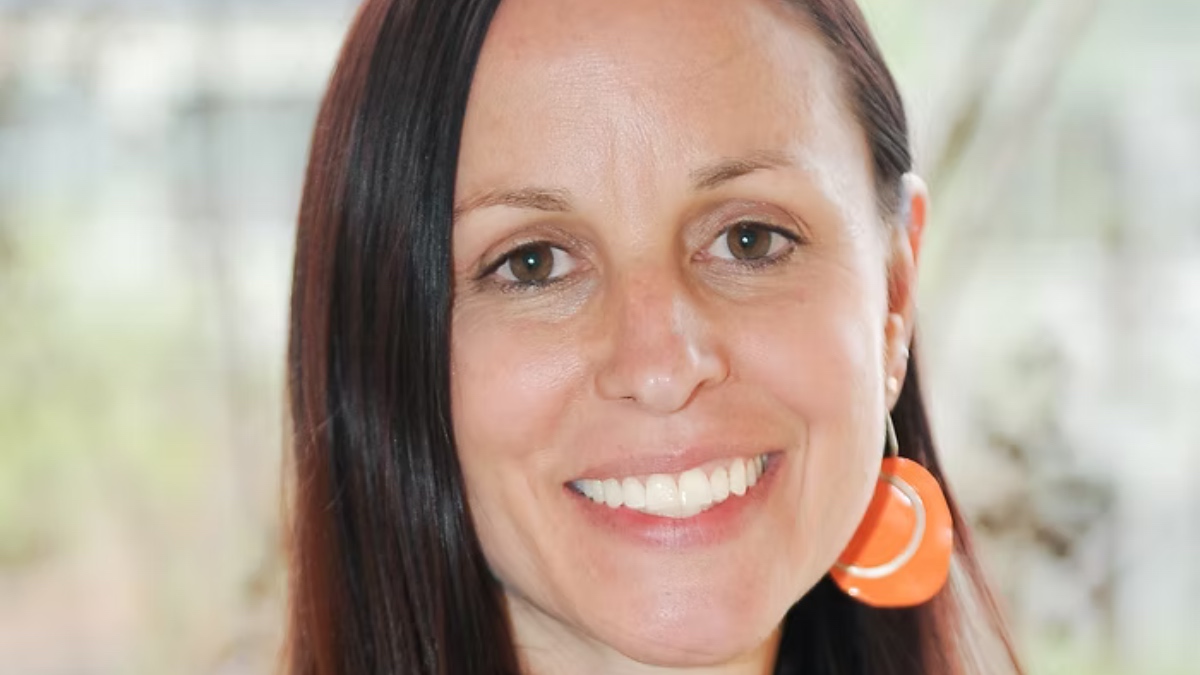
COSBOA CEO Skye Cappuccio says the proposed trust tax is “grossly unfair” and could cost small businesses billions to restructure around.
The Council of Small Business Organisations Australia has formally pushed back on a proposed 30 per cent minimum tax on discretionary trusts, warning it could cost small businesses billions of dollars if it goes ahead as planned.
In a submission to the Federal Government’s consultation on the measure, COSBOA argues the policy is “unfair in its bluntness.” Treasury figures cited in the submission suggest around 350,000 Australian small businesses currently operate through discretionary trusts, and roughly 210,000 of them would face a higher tax burden if the change proceeds.
The scale of the potential fallout is what’s driving COSBOA’s objection. The organisation estimates restructuring costs of between $15,000 and $50,000 per business. Multiplied across the businesses expected to be affected, that works out to somewhere between $3 billion and $10 billion in total.
COSBOA Chief Executive Officer Skye Cappuccio didn’t hold back on what she thinks the policy gets wrong.
“This proposal is grossly unfair. It imposes a financial penalty on arrangements that have been legal for decades and are commonly used by small businesses for legitimate commercial purposes, including asset protection, succession planning and business continuity.”
Her argument centres on a mismatch between how the policy is framed and how many small businesses actually operate. The government’s consultation paper reportedly frames the measure as a way to bring trust income tax in line with what employees pay. Cappuccio says that logic doesn’t hold up for a lot of family businesses.
“The consultation paper suggests the measure would better align the tax paid on trust income with the tax paid by employees,” Ms Cappuccio said.
“However, many family members working in small businesses and paid predominantly through trust distributions do not, and may never, earn the more than $200,000 annual salary that aligns with an effective income tax rate of 30 per cent.”
Her broader point is that a blanket rule risks catching businesses that were never the target in the first place.
“Small businesses support a fair and robust tax system, but integrity measures should be targeted and proportionate. They should focus on the behaviour of concern, not impose additional costs on family businesses using longstanding and lawful business structures.”
COSBOA isn’t just objecting, it’s also asking Treasury to show its working. The submission calls for the modelling behind the proposal to be made public, including any gap left over after existing tax rules are applied, how many trusts are actually engaged in the behaviour the policy targets, and what the compliance and restructuring costs would look like in practice.
Cappuccio argues that if action is genuinely needed, it should be aimed at the specific problem rather than the structure itself.
If the government does go ahead with the minimum tax, COSBOA wants smaller operators shielded from the worst of it. The organisation is pushing for small businesses with turnover under $10 million to be grandfathered out of the change, on the basis that they’re the ones least able to absorb restructuring costs.
Short of that, COSBOA has floated a lighter-touch alternative: an annual distribution-pattern test, which it says could address the government’s integrity concerns without forcing widespread restructuring or changes to legal business structures.
Cappuccio said the goal isn’t to block reform outright.
“We support maintaining the integrity of Australia’s tax system, but there are better ways to achieve that than imposing a blanket tax on legal business structures that will threaten the viability of valued small businesses.”
The full submission is available to download from COSBOA.
Keep up to date with our stories on LinkedIn, Twitter, Facebook and Instagram.