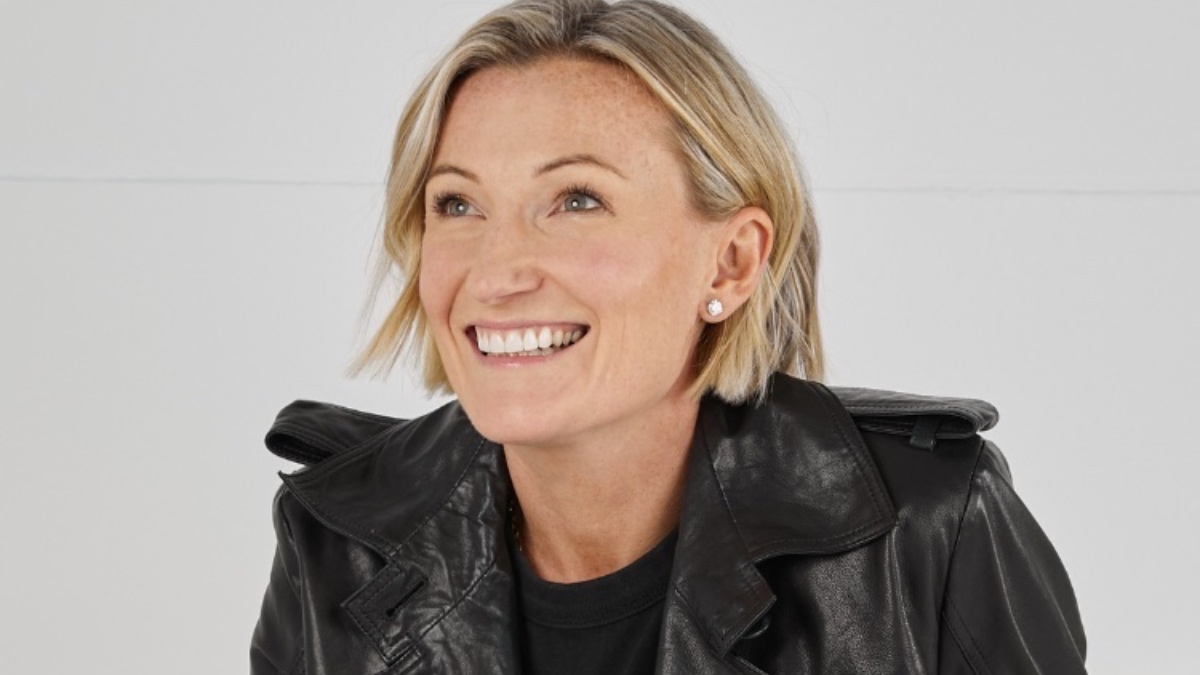
Allbirds sold for less than its own inventory value. Anna Baird, founder of Bared Footwear, explains what every SME should take from that.
What’s happening: Allbirds, the eco-friendly footwear brand that once commanded a valuation of USD $4 billion, has agreed to sell its assets to American Exchange Group for USD $39 million, less than the reported value of its own inventory at the time of the deal.
Why this matters: As cost-of-living pressures reshape consumer spending, the question of whether purpose alone can carry a business has become more urgent, and more consequential, than ever.
When Allbirds went public in November 2021, it raised USD $301 million and was valued at more than USD $4 billion. Less than five years later, it agreed to sell substantially all of its intellectual property and assets to American Exchange Group for USD $39 million, a figure that sat below the reported USD $43 million value of its own remaining inventory at the time.
For Anna Baird, podiatrist and founder of Melbourne’s Bared Footwear, the moment called for plain language.
“The reality is simple,” Baird said. “People buy our products because they look great and are really comfortable. Not because of our investment in trying to make a better product for our planet.”
When good intentions aren’t enough
Sustainability has become a dominant narrative in fashion and footwear over the past decade. Brands have built their identities around environmental credentials, material innovation, and purpose-led messaging. Allbirds was among the most prominent of them, earning significant goodwill and investor confidence on the strength of its commitment to doing better by the planet.
But when consumer demand softened and cash ran dry, brand equity alone could not set a floor. Tangible assets, in this case inventory, became the only reliable measure of value.
Baird argues that the lesson is structural, not just cautionary. “Desirability is not optional. It’s everything,” she said. “If you don’t get that right, nothing else matters. You can have the best intentions in the world, but if the product doesn’t resonate, the business won’t survive long enough to make an impact.”
Research from IMD Business School, cited in a Harvard Business Review discussion published in March 2026, supports that position. Professor Goutam Challagalla, co-author of a book on sustainability strategy, found that fewer than 10 per cent of consumers in any market studied were willing to pay a premium specifically for sustainability. The implication for small businesses is direct: green credentials can support a brand, but they are unlikely to build one from scratch.
The complexity no one talks about
Bared’s perspective on this is shaped by nearly two decades in one of the more technically demanding categories in fashion. Footwear is composed of dozens of individual components, each of which must perform under constant physical stress.
“Shoes are incredibly complex,” Baird explained. “They’re made from many different materials, all bonded together, all needing to perform under constant stress. Trying to replace each of those components with something more sustainable without compromising comfort, durability, or design is incredibly difficult.”
That difficulty creates a real barrier for any brand trying to lead with sustainability before it has solved for performance. Many materials that meet both environmental and functional standards either do not exist at commercial scale or come with significant cost risk.
Bared itself navigated this recently. According to Footwear News, the brand had sourced 40 per cent of its outsoles from Natural Fiber Welding before that company went bankrupt, requiring Baird to secure remaining stock and identify new suppliers. The challenge of finding sustainable materials that perform at the required level is ongoing.
Bared Footwear was founded in 2008 on the premise that customers should not have to choose between style and foot health. The brand has since expanded that foundation to include environmental accountability, becoming the first Australian-owned footwear label to achieve B Corp certification. In 2025, it became the first to be recertified, with its B Impact Score rising from 95 to 126.7 against a median of 50.9 for ordinary businesses assessed by B Lab.
But Baird is clear that purpose requires a commercially viable base to stand on. “We are investing heavily in better materials and innovation because we believe it’s the right thing to do,” she said. “But we are under no illusion. Our customers come to us for the product first. Sustainability is not the hook. It’s the responsibility.”
That framing reflects something many small business operators are grappling with as sustainability becomes both a market expectation and a business cost. According to Shopify’s Australian Retail Report, 78 per cent of Australian consumers are prioritising value for money, even as they say environmental considerations matter to them. The gap between stated values and purchasing behaviour remains one of the more persistent challenges for purpose-led brands.
What the numbers really say
The Allbirds outcome has drawn commentary across the business press, with many pointing to a pattern common in venture-backed consumer brands: a compelling story that attracts capital, followed by an expansion that outpaces the product’s actual market.
Baird is careful to separate the commercial lesson from her assessment of the brand’s intent.
“Allbirds’ rise came from its commitment to doing better by the planet so it is really sad to see the consumer shift away from what was a brand with integrity that was trying to do the right thing,” she said.
“For any brand, the lesson is clear. You cannot build a business on narrative alone. You need a product that people genuinely want to buy, wear, and come back for.”
Bared continues to work with global partners on material innovation, while maintaining what Baird describes as non-negotiable standards on fit, comfort, and design.
“We’re committed to doing better,” she said. “But we’ll never lose sight of why customers choose us in the first place. If we don’t make the most desirable shoes in the market, we don’t get to play the game.”
Want to know how to communicate your sustainability story without losing the plot on sales? Read our piece on building brand loyalty through sustainability.
Keep up to date with our stories on LinkedIn, Twitter, Facebook and Instagram.