Dynamic Business Logo

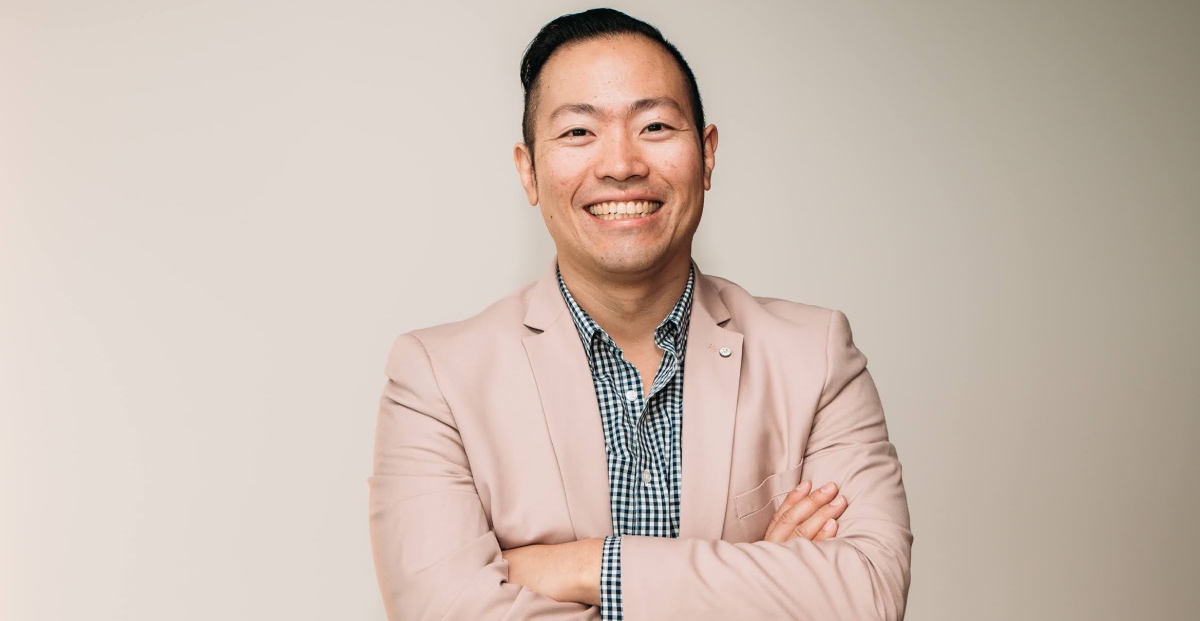
Andrew Lai, Managing Director, Boab AI and Lead, SMEC AI

What the Prime Minister’s AI address means for business

The PM used a landmark speech at Sydney University to set out Australia’s AI direction. Boab AI’s Andrew Lai breaks down the five things that will matter for SMEs

The Prime Minister used a speech at Sydney University last week to set out how his government intends to handle artificial intelligence. A lot of it was framed in the language of national values and sovereignty, which is what you expect from a set-piece address.

Underneath the politics, though, were several concrete decisions that will matter to Australian businesses, and to small to medium businesses in particular.

The tone was deliberately upbeat, and I share a good deal of that optimism. The more useful exercise for a business owner is to strip out the rhetoric and look at what actually changes. Here is what I took from it.

The real prize is certainty

The centrepiece was a set of mandatory national standards for AI, pulling the rules on everything from data centres to safety into a single framework, heading to National Cabinet next month and to Parliament early next year. Just as telling was what the government said it would not do.

It has decided against trying to legislate for every possible risk, on the view that over-regulation would frighten investment away. For a business, the value sits in a clear and consistent set of rules rather than the current patchwork of state and council positions, and the Prime Minister was explicit that the aim is certainty for growth, jobs and investment.

Small business was front and centre

It is not often a Prime Minister uses a landmark technology speech to talk about paperwork, but this one did, naming AI ‘helping small business owners cut the time they spend on paperwork’ as a headline benefit. He backed the optimism with numbers.

New analysis from his employment department, released the week before, found no sign of the mass job losses many had feared, with employment in software development roles up 25 per cent since late 2022. For owners who have been nervous about adopting AI, or worried about a backlash from staff, that is about as clear a signal of official support as you will get.

Sovereignty is now the direction of travel

A strong thread through the speech was that Australia should build and make AI here, rather than become what the Prime Minister called a data warehouse for products made overseas. He drew the comparison with keeping the NBN in public hands.

For businesses this points one way, towards more Australian-made and Australian-hosted options over time. If you work in a regulated field such as health or financial services, where keeping data onshore already matters, this is the policy wind at your back rather than a headwind.

Watch the copyright rules if you produce content

The sharpest language in the speech was reserved for creative work. The government intends to legislate so that no company can use Australian books, music, art or journalism to train AI without the creator keeping control over how their work is used and priced, and the Prime Minister called anything less theft.

If your business generates marketing or other content with AI, or leans on other people’s material to do it, this is the corner of the reform to keep an eye on as the detail gets worked out.

Your AI runs on data centres, and their rules just changed

The tools most businesses use sit on top of a data centre somewhere, and the economics of those are shifting. Australia already has a pipeline of new data centre investment worth around $155 billion, and the new rules will require the next generation of them to build their own power, put as much energy back into the grid as they take out, and keep their water use down.

The upside for business is more reliable supply without pushing up power bills. The thing to watch is whether tighter conditions slow the buildout that AI capacity depends on.

AI has become a board-level issue

One quieter announcement said a lot. The Prime Minister created an Office of AI inside his own department to coordinate what had been a scattered, agency-by-agency response. If the country’s leader has decided AI needs to be run from the centre rather than left to individual departments, it is a fair prompt for business owners to do the same, and to treat AI as a strategic question for the whole business rather than a job for whoever happens to be good with computers.

This is the environment SMEC AI, the federally funded adoption centre I lead, was built for, helping Australian SMEs make sense of shifts like these and put AI to work sensibly.

The Prime Minister’s message to the country was to back ourselves and move now. The same advice holds for any business still waiting to begin.

Keep up to date with our stories on LinkedInTwitterFacebook and Instagram.

Andrew Lai

Andrew Lai

Andrew Lai is managing director of SMEC AI where he works with SMEs to design and deliver AI adoption that lift productivity and build workforce capability. This includes developing practical AI tools and programs that support responsible adoption at scale, improve how work gets done, and help organisations realise measurable returns from AI.

View all posts