Dynamic Business Logo

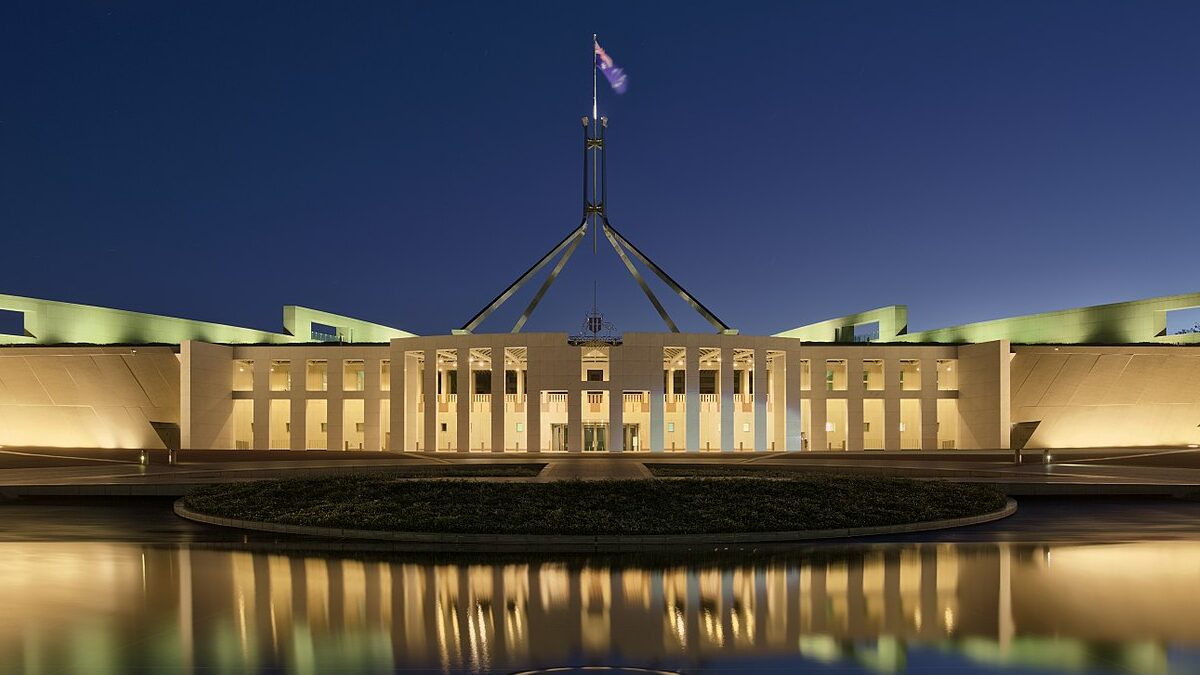
Image credit: Thennicke on WikiMedia Commons (CC)

Government passes laws to stockpile fuel as global supply chain risks mount

Australian businesses running on fuel now have a government backstop designed to keep supply flowing when global markets tighten.

If your business depends on fuel to operate, the past few years have offered a sharp lesson in how quickly global events can hit the bottom line. Disrupted shipping routes, conflict overseas and tightening international supply have all pushed costs up and reliability down for Australian operators.

The government passed new legislation on 31 March 2026 directly aimed at that vulnerability. The Export Finance and Insurance Corporation Amendment (Strategic Reserve) Bill 2026 gives Export Finance Australia new powers to purchase fuel from international markets and underwrite supply arrangements to keep it flowing into Australia.

Minister for Climate Change and Energy Chris Bowen was direct about the pressure driving the move. “While Australia’s fuel supply outlook remains secure over the near term due to the actions the Government has taken to date, we have been clear, the longer this war goes the worse the impacts will be,” Bowen said.

He added that the government was taking every practical step available, saying the priority was to act now rather than wait for conditions to worsen.

Who it covers

The new powers are not just aimed at large energy companies. The government has stated its priority is giving fuel suppliers the confidence to secure additional cargoes to meet additional demand, with independent and regional fuel suppliers specifically called out.

For small business owners in farming, logistics, construction or any sector where fuel is a core operating cost, the intent of the legislation is to reduce the likelihood of supply gaps reaching them at the ground level.

Fertiliser is also covered under the laws, a detail that will matter directly to agribusiness operators managing input costs alongside global price volatility.

The legislation also establishes a Critical Minerals Strategic Reserve, allowing the government to secure, sell and stockpile critical minerals and rare earths. The initial focus is on antimony, gallium and rare earth elements, all essential inputs for clean energy technology, advanced manufacturing and defence applications.

Minister for Resources Madeleine King described the reserve as central to Australia’s economic and national security position.

“The Critical Minerals Strategic Reserve will support Australian critical minerals mining and processing projects, create jobs and ensure Australia remains central to global efforts to build stable and reliable supply chains,” King said.

She added that critical minerals and rare earths are “at the heart of our economic and national security and are crucial for clean energy technology, advanced manufacturing and defence applications.”

For businesses operating in or adjacent to the minerals and resources sector, the reserve is framed as an opportunity as much as a protection measure. The government’s stated aim is to boost onshore processing of critical minerals, which would flow through to local jobs and more stable domestic supply chains.

Minister for Trade Don Farrell pointed to the trade dimension, noting Australia’s existing strengths in critical minerals deposits and its reputation as a reliable supplier to international partners.

“The Critical Minerals Strategic Reserve will capitalise on a golden opportunity by boosting critical mineral processing onshore, creating more secure high-paying jobs right here in Australia,” Farrell said.

Farrell also flagged that the reserve is designed to strengthen supply chain partnerships with key trading allies including the United States, Japan, South Korea, Europe, Canada and the UK, moves that could open doors for Australian businesses further down those supply chains.

Keep up to date with our stories on LinkedInTwitterFacebook and Instagram.

Yajush Gupta

Yajush Gupta

Yajush writes for Dynamic Business and previously covered business news at Reuters.

View all posts