Dynamic Business Logo

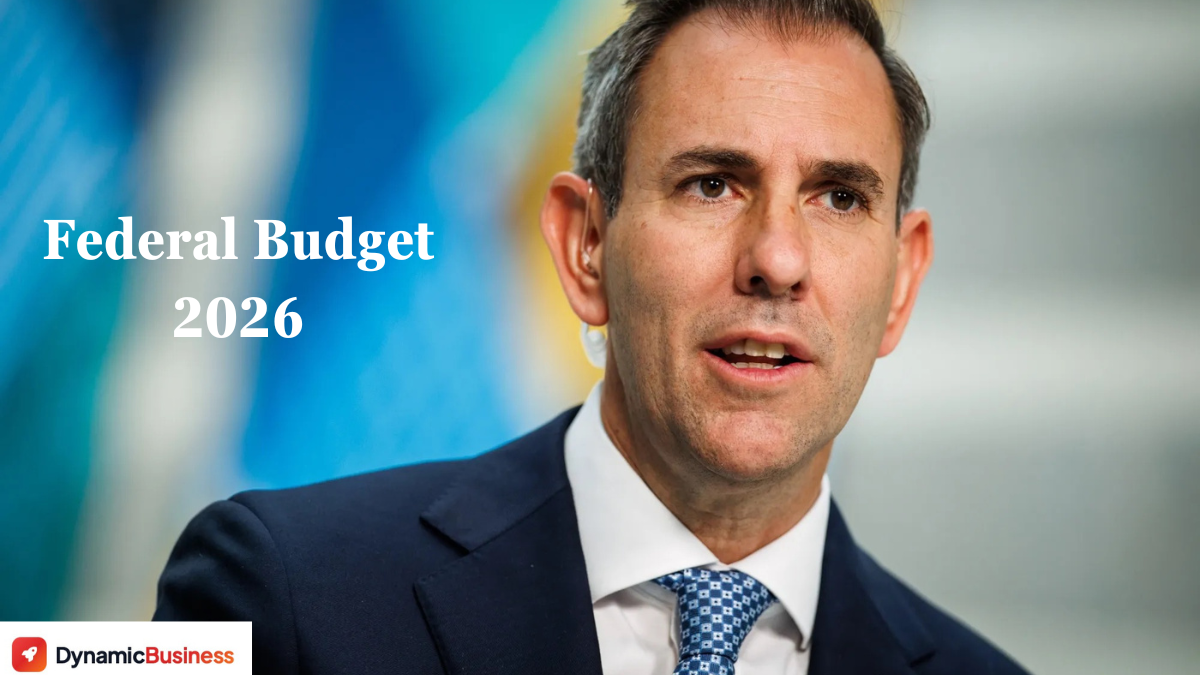
Jim Chalmers, Treasurer of Australia

Budget 2026 delivers major tax shake-up: CGT reformed, negative gearing restricted, instant asset write-off permanent

Federal Budget 2026 introduces major tax reforms including negative gearing restrictions, inflation-indexed capital gains tax and a $250 annual tax offset for 13 million workers.

The Australian Government has unveiled sweeping tax reforms in the 2026-27 Federal Budget, fundamentally reshaping property investment rules whilst delivering tax cuts to workers and expanded support for businesses.

The changes, effective from July 2027, include restricting negative gearing to new builds, replacing the capital gains tax discount with an inflation-based system, and introducing a $250 annual tax offset for over 13 million Australian workers.

Worker tax cuts delivered

The Government is introducing a $250 Working Australians Tax Offset from 2027-28, providing an ongoing annual tax cut for over 13 million Australian workers.

This comes on top of three tax cuts the Government has already legislated and the $1,000 instant tax deduction.

For an Australian worker on average earnings, the combined benefit of the Government’s five tax cuts could be up to $2,816 per year, helping every Australian worker keep more of what they earn.

From 2026-27, a new instant tax deduction of up to $1,000 will simplify work-related expense deductions. This will deliver 6.2 million workers an average tax benefit of $205 for 2026-27 and reduce compliance costs by around $380 million a year.

Negative gearing restricted

The Government will limit negative gearing to new builds from 1 July 2027, to focus tax support on new supply.

Existing arrangements will remain unchanged for all properties held before Budget night, and investors who buy new builds will still be able to deduct losses from other income.

Investors who buy established housing after Budget night will still be able to deduct losses against residential property income. They will be able to carry forward unused losses to future years but won’t be able to deduct them against other income like wages.

The change aims to redirect investment incentives toward increasing housing supply rather than competing for existing stock. Investors purchasing new builds will retain full negative gearing benefits, whilst those buying established properties can only offset losses against property income.

Capital gains tax reformed

The Government will replace the 50 per cent Capital Gains Tax (CGT) discount with a discount based on inflation and introduce a minimum 30 per cent tax on gains from 1 July 2027.

This reform means that investors will only pay tax on their real capital gain, restoring the original intent of the CGT arrangements. The CGT reforms will only apply to gains arising after 1 July 2027. Investors in new builds will be able to choose the 50 per cent CGT discount or the new arrangements.

The inflation-based approach addresses concerns that the flat 50% discount overtaxed investors during low-inflation periods whilst undertaxing them during high-inflation periods. The minimum 30% tax ensures a baseline level of taxation on investment gains.

ALSO READ: What is in the 2026 Federal Budget for small business?

Trust arrangements tightened

The Government will introduce a minimum tax of 30 per cent on discretionary trusts from 1 July 2028 with some exceptions.

Rollover relief will be provided for three years from 1 July 2027 to assist small businesses and others that wish to restructure.

The measure addresses long-standing concerns about discretionary trusts being used to minimise tax liabilities by distributing income to family members in lower tax brackets. The three-year rollover relief period provides time for affected entities to restructure arrangements.

Business loss provisions expanded

The Government is reintroducing loss carry-back to support business risk-taking and resilience.

From 2026-27, eligible companies that make a loss in the current income year will be able to use that loss to get a refund against tax paid in the prior two income years. This will benefit up to 85,000 companies, mostly small businesses.

The Government is also introducing loss refundability to support new startup businesses. From 2028-29, small startups in their first two years of operation will be able to get a refund for tax losses, up to the value of fringe benefits tax and withholding tax paid on employee wages. This will benefit up to 25,000 young companies each year, providing valuable cashflow support.

The loss carry-back provision addresses a long-standing asymmetry in the tax system. Whilst profitable businesses pay tax immediately, loss-making businesses could only use losses to reduce future tax liabilities. The new provision allows businesses to access refunds more quickly, improving cashflow during difficult periods.

Instant write-off permanent

The Government is improving cashflow for small businesses by permanently extending the $20,000 instant asset write-off from 1 July 2026. Small businesses with turnover up to $10 million will be able to immediately deduct eligible assets costing less than $20,000, helping them to make their investment decisions with confidence.

This is estimated to improve cashflow for small businesses by around $890 million over the next five years and save small businesses around $32 million per year in compliance costs.

The permanent status ends over a decade of temporary, year-to-year arrangements that created uncertainty for business investment planning.

The Budget provides a practical example of how small businesses can benefit from the combined measures. A restaurant with $1 million in turnover that purchases new equipment totalling $65,000 (with each piece costing less than $20,000) can immediately deduct these items. If this creates a $15,000 tax loss, the business can carry back that loss to generate a $3,750 tax refund against the previous year’s tax paid.

Startup support increased

From 1 July 2027, the Government will expand venture capital tax incentives to align with modern company valuations.

Changes to the Early-Stage Venture Capital Limited Partnership and Venture Capital Limited Partnership programs will support startups and high-growth businesses to unlock greater access to capital and industry knowledge.

The reforms recognise that company valuations have increased significantly since the programs were established, with existing thresholds potentially excluding viable investment opportunities. The expanded incentives aim to increase capital availability for Australian startups and reduce reliance on offshore funding.

R&D incentives boosted

The Government will better incentivise core R&D that benefits the broader economy, in response to recommendations of the Ambitious Australia Report. From 1 July 2028, the Government is increasing the offset for experimental core R&D by around 25 to 50 per cent and removing eligibility for expenditure that only supports R&D.

The intensity threshold will reduce to 1.5 per cent, providing higher offsets to firms undertaking substantial core R&D. The Government is also providing greater support to young, fast-growing firms by increasing the turnover threshold for the higher, refundable offset to $50 million. Refundability will be limited to firms operating less than ten years, with older firms eligible for an equivalent, non-refundable offset.

The maximum expenditure cap will increase to $200 million, encouraging more R&D onshore. The minimum expenditure threshold will increase to $50,000, with R&D below this required to be undertaken with a Research Service Provider or Cooperative Research Centre.

The reforms aim to unlock $400 million per year in additional R&D by young firms whilst better targeting support toward activities that generate broader economic benefits rather than routine business development.

Simplification measures

The Government is making Australia’s tax system simpler and more sustainable by making tax easier to manage for businesses and individuals.

The Government is boosting business cashflow by making it easier for businesses to change their pay-as-you-go (PAYG) instalments when business conditions change, by providing businesses with flexibility to opt in to monthly PAYG instalments from 1 July 2027, and expanding access to the ATO’s dynamic instalments pilot using business software to more accurately calculate PAYG instalments.

The Government will work with states on reforms to payroll tax administration to reduce compliance burden across jurisdictions.

Electric vehicle transition

The Government will transition the arrangements to support electric cars to a permanent 25 per cent fringe benefits tax (FBT) discount, for eligible electric cars over $75,000 from 1 April 2027 and for all eligible electric cars from 1 April 2029.

Electric cars costing up to $75,000 will continue to receive a full FBT exemption provided the fringe benefit arrangement commences before 1 April 2029.

The staged transition provides certainty for employers and employees planning vehicle purchases whilst gradually normalising the tax treatment of electric vehicles.

Implementation timeline

The reforms follow a staged implementation schedule:

  • 1 July 2026: Permanent $20,000 instant asset write-off begins, loss carry-back provisions commence
  • 2026-27: $1,000 instant tax deduction for work-related expenses available
  • 1 April 2027: Electric vehicle FBT changes begin for vehicles over $75,000
  • 1 July 2027: Negative gearing restrictions commence, CGT discount changes begin, venture capital incentive expansion takes effect
  • 2027-28: $250 Working Australians Tax Offset available
  • 1 July 2028: Discretionary trust minimum tax begins, R&D Tax Incentive reforms commence
  • 2028-29: Loss refundability for startups available
  • 1 April 2029: Electric vehicle FBT exemption fully transitions

Keep up to date with our stories on LinkedInTwitterFacebook and Instagram.

Yajush Gupta

Yajush Gupta

Yajush writes for Dynamic Business and previously covered business news at Reuters.

View all posts